A warmer-feeling room often begins with small changes: a lamp moved closer to a chair, a blanket within reach, or a darker wooden piece set against pale bedding. You do not need to replace everything to change the way a room feels on a winter evening.
These seven ideas move from light and fabric to furniture, colour and finishing details. Each offers five ways to look more closely at a space, with practical suggestions you can adapt to the room you already have.
THE INSPIRATION EDIT
7 Ways to Warm Up Your Space
01 / THE WINTER ROOM EDIT
Warm Ambient Lighting
Winter rooms feel more inviting when light arrives in soft pools rather than one flat wash. A shaded lamp beside a chair, a wall light near the bed and a glow across a textured surface can give an ordinary evening a gentler rhythm. Start with where you sit and what you need to see.
The Look
Look for shades that soften the bulb, light falling onto wood or plaster, and a mix of heights around the seating area.
Why It Works
Several modest light sources reveal texture and give the room depth. Keeping their colour appearance similar helps the different pools of light feel connected.
Warm Table Lamps
A shaded table lamp makes a small pool of light feel intentional. Place yours beside an evening seat and let the surrounding room stay softly lit.
A tall lamp brings light to seating height while leaving a side table free. Pair its decorative silhouette with a simpler nearby textile so the corner feels balanced.
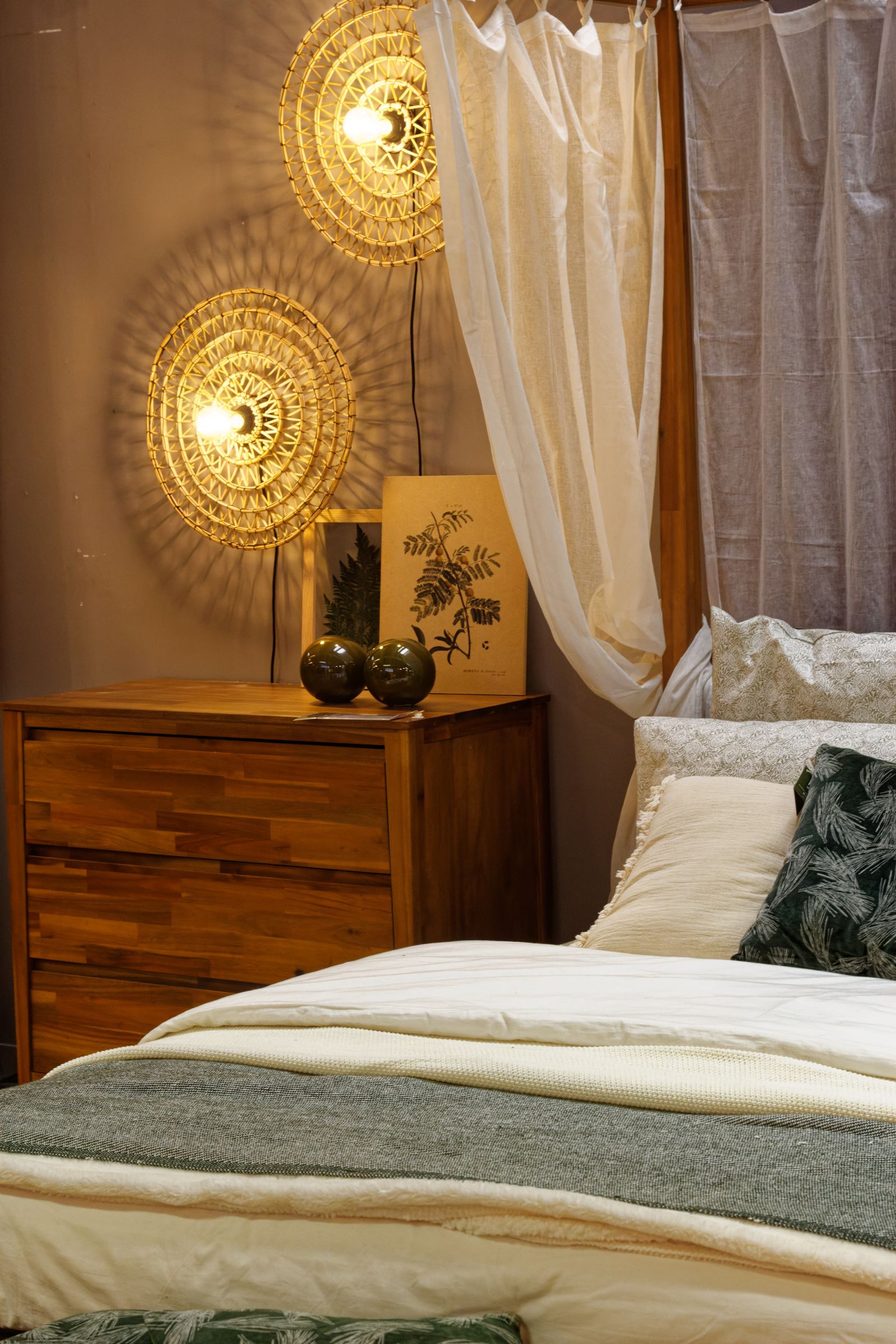
Wall-mounted bedside lighting can free the surface beside a bed. Keep the beam useful for reading, with the light source outside your direct line of sight.
Light falling across the nearby wall and objects gives this small arrangement depth. Test a reflected glow beside a direct reading light, rather than relying on atmosphere alone.
A room can hold several pockets of light without feeling busy. Spread lamps around the places you use and vary their heights to draw the eye through the space.
Checks bring structure to a soft winter room. A neat gingham, a layered tartan and a broad upholstery check each create a different rhythm; choose one to lead. A small change in bedding or a cushion can introduce pattern without a full furniture refresh.
The Look
Compare the scale of the check with the size of its surface. Broad patterns read clearly across a bed; smaller checks work well in a compact cushion.
Why It Works
A repeated colour links the pattern to the rest of the room. Plain fabric around it creates enough breathing space for the grid to remain readable.
Plaid Bedding
Blue and white checks give the bed a clear graphic rhythm. Keep the surrounding surfaces plain, then add one warmer accent to make the cool pattern feel inviting.
A red-and-blue checked blanket adds a concentrated patch of colour to a brown sofa. Fold it loosely across one end so the pattern becomes an accent rather than covering every surface.
A checked armchair can be the room's main patterned piece. Pull a quiet colour from the upholstery into a plain cushion and let the rest of the seating stay simple.
Deep brown furniture can give pale winter textiles a reassuring visual anchor. Think of a bedside table, a bookcase or a desk as a point of depth, rather than a reason to make the whole room dark. Wood species cannot reliably be identified from colour alone; verify a piece's material before buying.
The Look
Notice the furniture's outline, the amount of visible grain and the contrast with the wall behind it. One solid piece often has more presence than several unrelated small accents.
Why It Works
Light fabric catches daylight while darker furniture adds definition. Combining open space with substantial silhouettes keeps a room grounded without making it feel crowded.
Walnut Bed Frames
A walnut bed frame can anchor light bedding with a deeper brown outline. Verify the wood species with the maker, then compare the finish with your existing floor before committing.
Dark shelves frame books and decorative objects without needing much extra colour. Leave a few gaps between groups so the shelving remains part of the composition.
An antique-style dresser introduces a weightier silhouette beside patterned walls. Give its top a simple arrangement so the furniture's outline remains easy to see.
A substantial wooden desk gains presence in an otherwise pared-back room. Keep the chair and desktop arrangement visually light to balance the darker furniture.
Winter comfort comes from surfaces as much as colour. Open knits, looped upholstery, wool and velvet catch light differently, making a restrained palette feel more varied. Layer the things you actually use: a blanket within reach and bedding you can adjust as the room changes temperature.
The Look
Look for a contrast between smooth and raised textures. A visible knit beside a simpler weave, or velvet beside matte bedding, creates detail without adding another print.
Why It Works
Different surface finishes introduce small shifts in shadow. Repeating a cream, brown or muted accent across those materials keeps the layers visually connected.
Chunky Knit Blankets
A chunky knit adds relief to a smooth sofa or armchair. Drape it over one arm and let the large stitches remain visible against the quieter upholstery.
This detail study shows how a wool rug introduces texture without a busy colour scheme. Use the surface as inspiration, then choose a rug size that connects the seating in your own room.
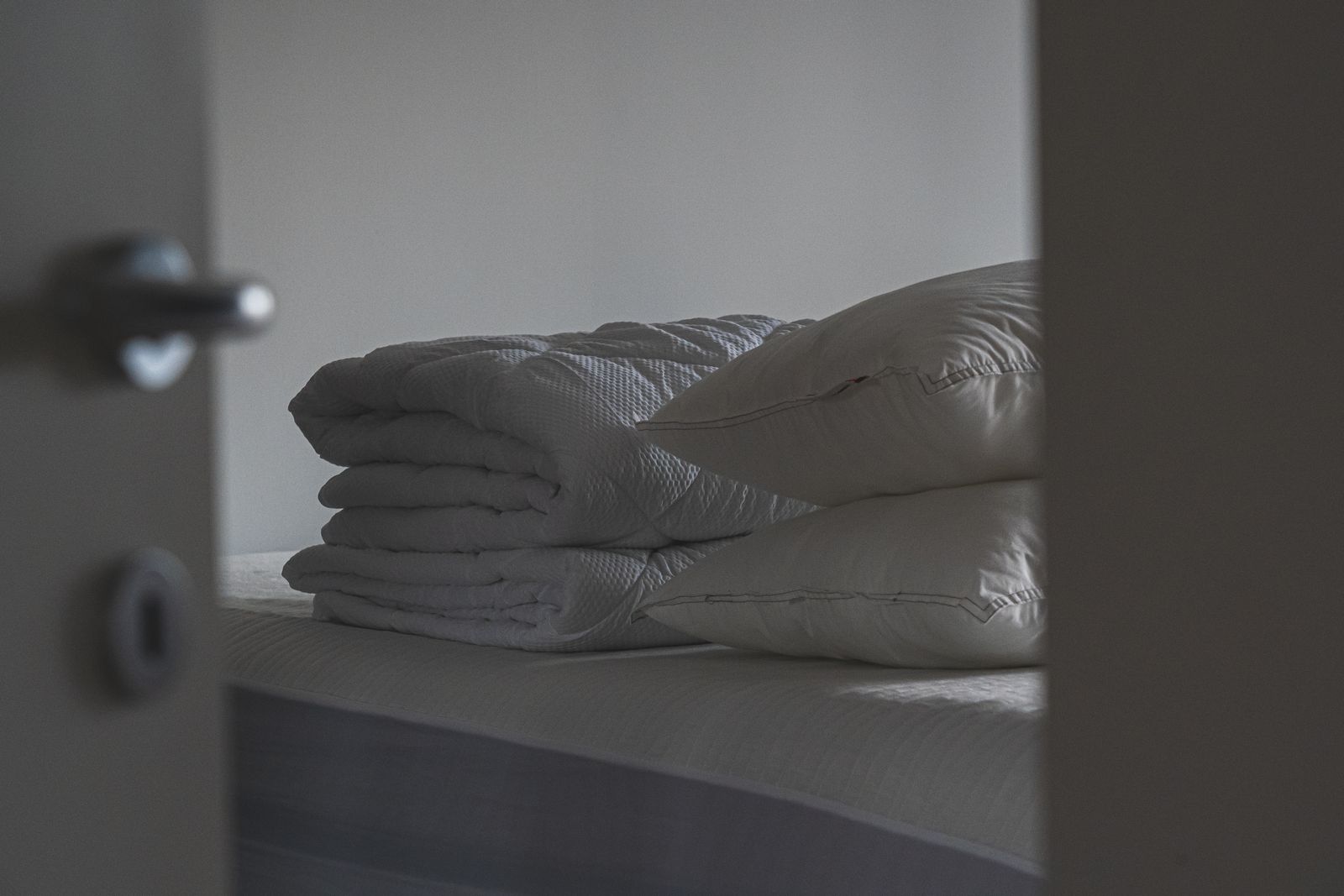
Stacked pillows and folded covers create depth through small changes in height. Limit the palette so you can vary the textures without the bed feeling visually crowded.
Velvet picks up highlights differently as its pile changes direction. Mix it with a matte weave and use a small number of cushions so the contrast remains noticeable.
A reading corner needs a comfortable place to settle, useful light and a surface for your book. It can be a window seat, one armchair beside a shelf or a floor-level arrangement. Choose the location around your habits rather than trying to recreate a whole room.
The Look
Notice the relationship between the seat and the light, and whether a book or drink is easy to reach. A nook feels deliberate when its few elements work together.
Why It Works
A small cluster of furniture gives a larger room a more personal scale. Shelves and cushions can define the corner without closing it off from the rest of the space.
Window Reading Nooks
Shelves, cushions and daylight make the window edge feel like a destination. Keep a useful evening light nearby so the same seat works after sunset.
A pair of vintage chairs can define a quiet area within a larger room. Leave enough space to sit and turn comfortably, and keep a small table within reach.
An armchair beside bookshelves makes the reading habit visible in the room. Keep frequently used books near the seat and let the rest of the shelving stay loosely arranged.
A floor-level book and cushion arrangement creates an informal place to pause. Use a supportive cushion and choose a spot where the floor stays comfortably warm.
A bedroom can include a reading pause without a separate library area. Protect the walking route around the bed and put the light where it serves the person reading.
Burgundy, chocolate, olive, cream and navy offer five different routes into a winter palette. Deep shades can feel enveloping, while cream lets texture carry the warmth. Treat each photograph as a palette study rather than a rule that every surface should match.
The Look
Watch how the dominant colour changes beside wood, a pale wall or a contrasting textile. A darker sofa needs a different balance from a room painted in the same shade.
Why It Works
Variation in lightness helps a limited palette remain legible. A pale cushion or warm wooden edge separates darker surfaces, while related undertones make the combination feel considered.
Burgundy Interiors
A deep red velvet seat gives an otherwise lighter room a rich focal point. Repeat a little warm wood or muted red nearby, allowing pale surfaces to keep the colour in balance.
A brown sectional brings a large block of warmth into a contemporary room. A rounded table and a lighter surrounding palette stop the seating area feeling too heavy.
An olive-toned sofa adds an earthy note beside a pale textured rug. Try a small olive cushion or throw first, checking its colour in both daylight and your evening lighting.
A beige bedroom relies on texture and gentle tonal changes for interest. Let bedding, upholstery and wood differ slightly rather than matching every shade exactly.
Small decorative details can make a winter room feel collected over time. Framed art, ceramics, candle holders and mirrors bring different shapes and surfaces to a familiar setting. Choose pieces for their proportions and character; an old-looking finish alone does not establish age or provenance.
The Look
Look for repeated shapes, differences in height and a little empty space between objects. A frame or mirror can give a loose group a clear boundary.
Why It Works
Patina and irregular surfaces add detail beside simple contemporary furniture. A limited palette lets different periods and materials sit together without competing for attention.
Vintage Gallery Walls
A group of older-looking frames creates a collected focal point. Lay out the arrangement on the floor first, balancing different sizes around a shared centre.
Aged candle holders bring sculptural detail even when the candles are unlit. Group them by material or tone and use different heights to make a shelf feel less flat.
A decorative mirror adds another outline above bedroom furniture. Choose a position that reflects a pleasant view and avoids a bright bulb at eye level.
Vintage vases, a mirror and lamps show how related tones can connect different objects. Borrow the small-group approach for one shelf, leaving clear space between the pieces you use most.
Photographs illustrate individual styling ideas; material names and furniture periods are used only where supported by the source. Styling advice and captions by YEUNORY.