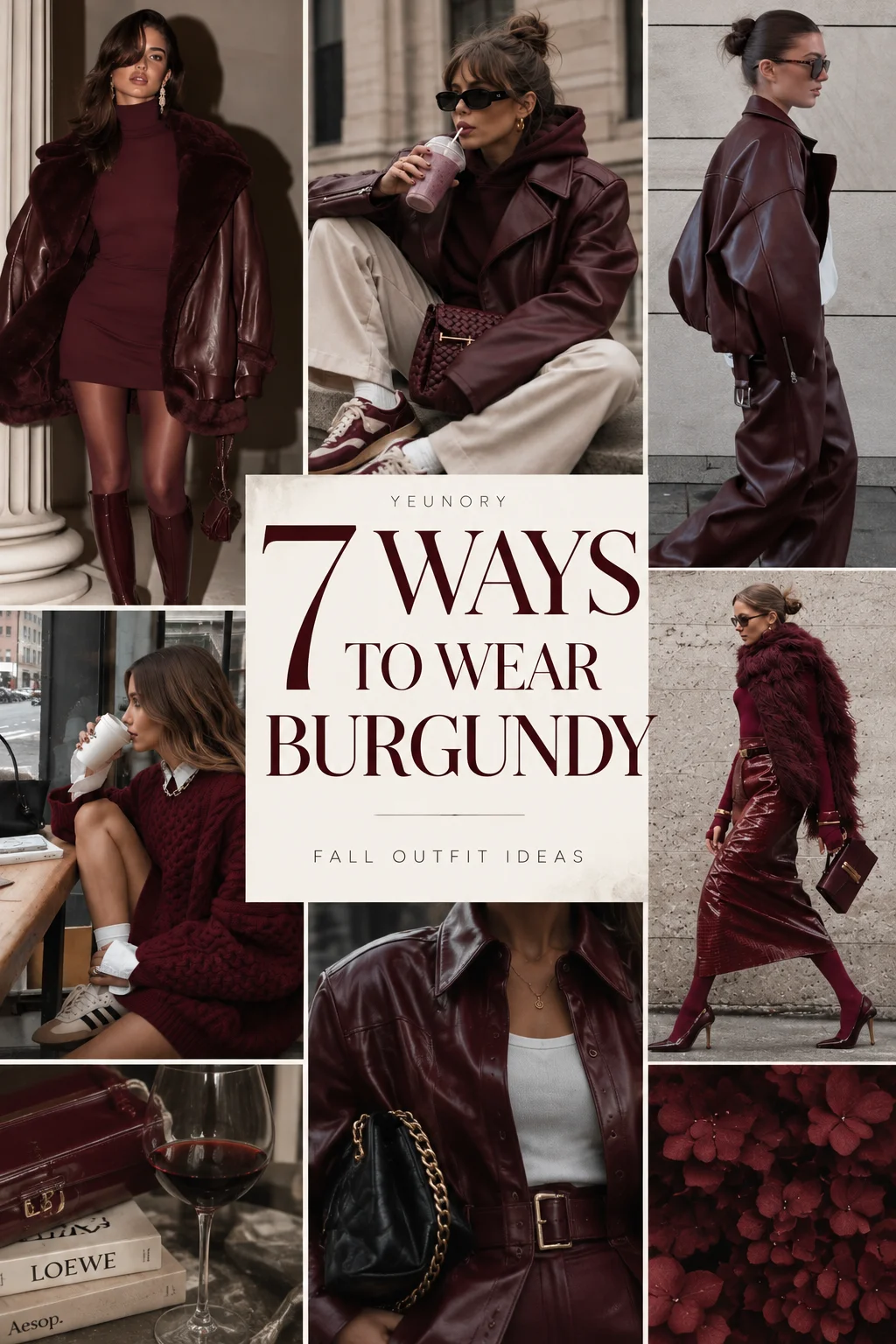
Discover 7 stylish ways to wear burgundy and oxblood this fall, from cozy knitwear and leather jackets to statement bags, shoes, and sophisticated color combinations.
BY YEUNORY EDITORS
YEUNORY
Burgundy brings depth to familiar clothes: a sweater against denim, a glossy shoe below a trouser hem, a bag carried with a simple coat. Oxblood often describes a darker, browner red, though colour names vary between makers and the same garment changes with the light.
These seven approaches move from individual pieces to complete colour combinations. Use the proportions, textures and contrasts as a starting point, then adapt them to the clothes you already wear.
THE INSPIRATION EDIT
7 Ways to Wear Burgundy & Oxblood
01 / THE LOOK
Burgundy Knitwear
The Appeal of Burgundy Knitwear
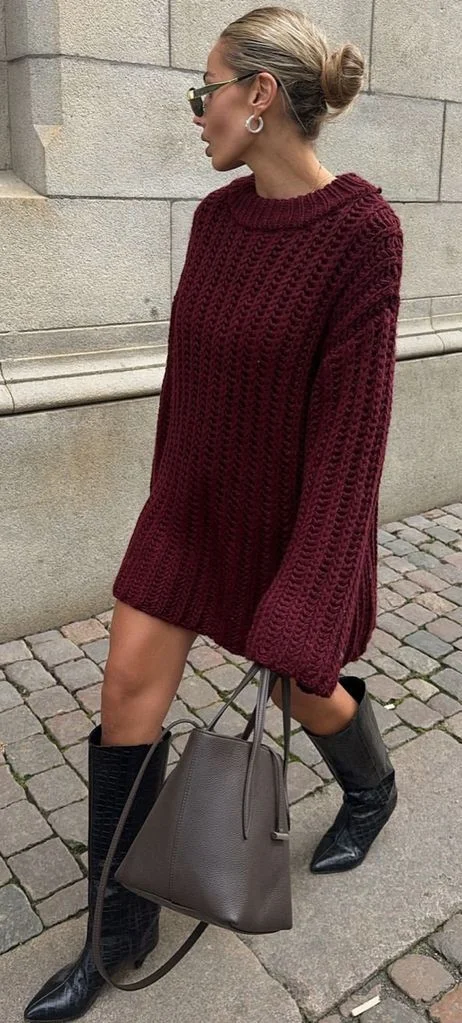
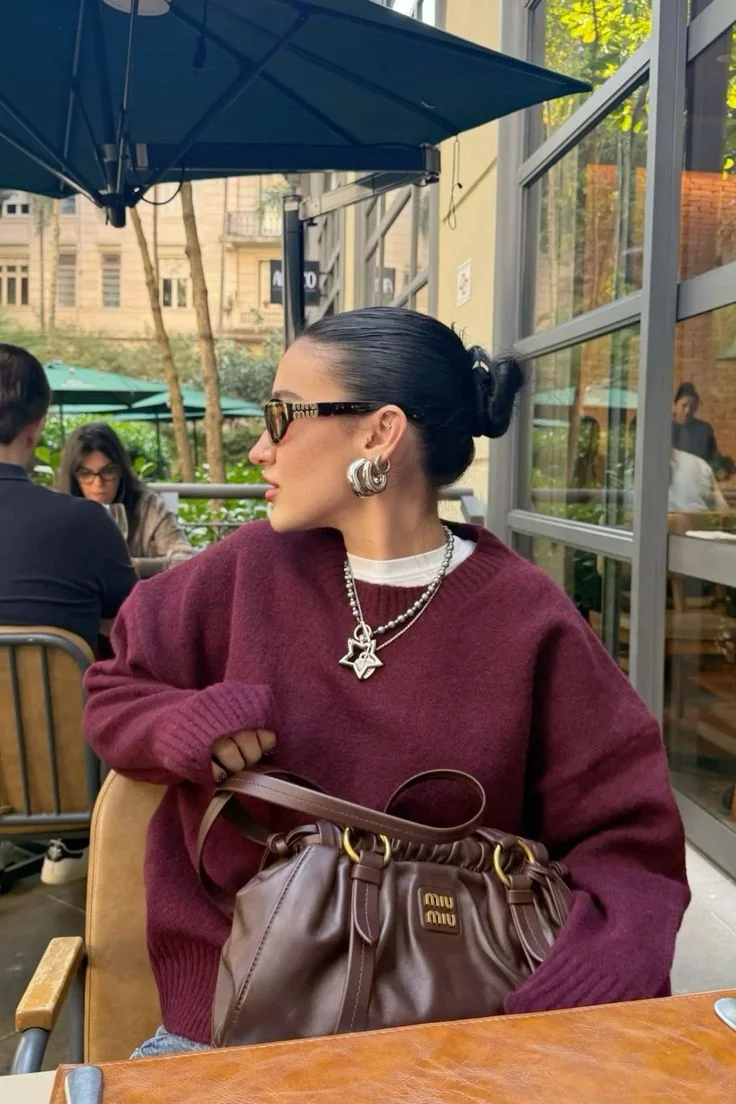
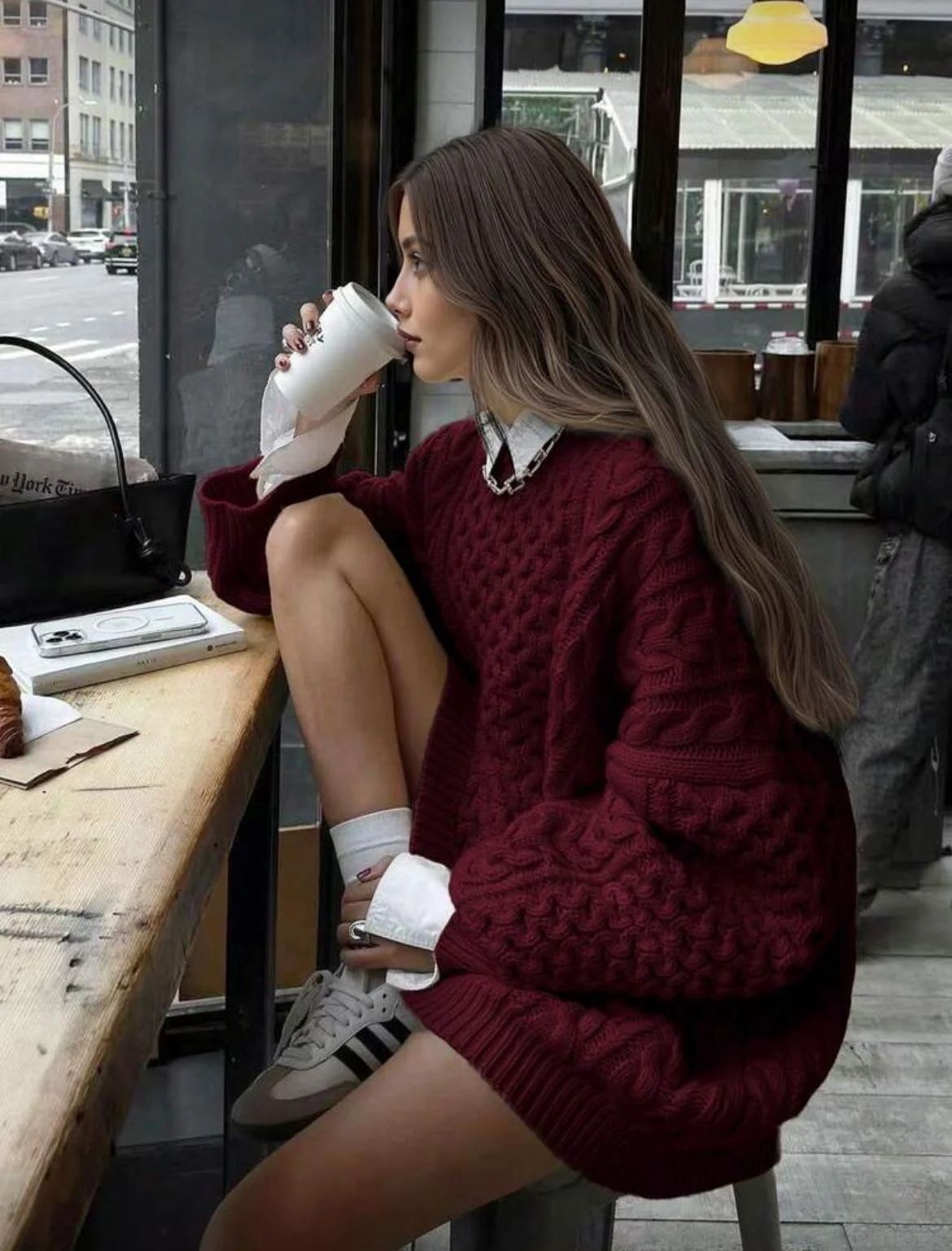
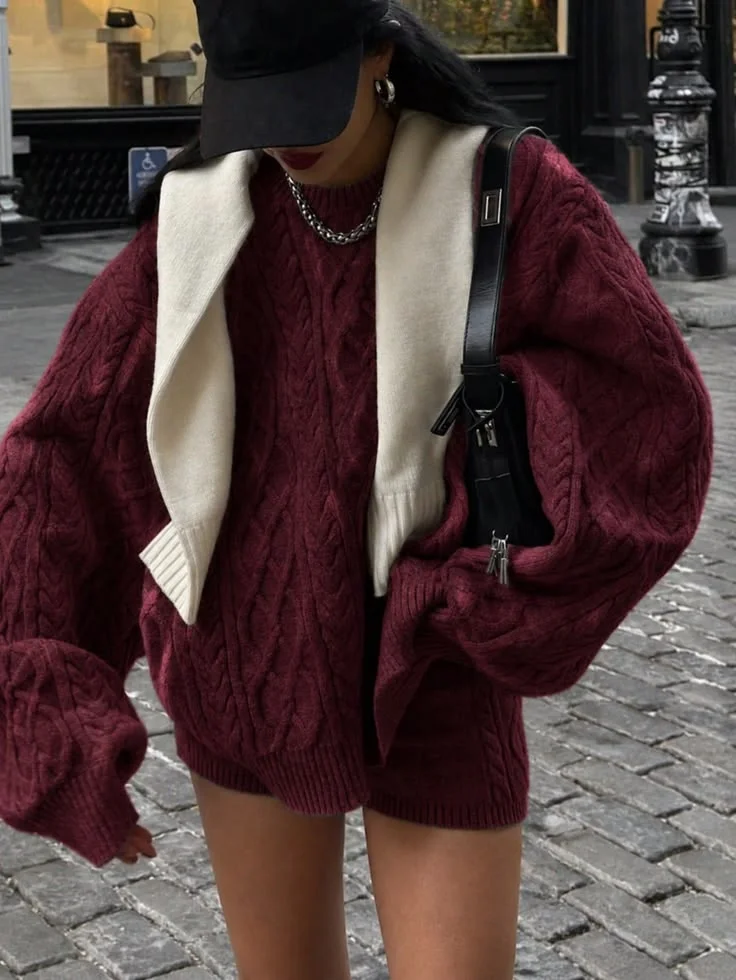
Burgundy knitwear is one of the easiest ways to introduce a deeper color into a fall wardrobe without making an outfit feel overly dramatic. Unlike bright red, burgundy has a muted, wine-toned quality that works particularly well with autumn textures such as wool, cashmere, ribbed cotton, and brushed knits.
The silhouette makes a significant difference. An oversized burgundy sweater creates a relaxed, effortless look when paired with straight-leg denim or slim trousers. A fitted turtleneck, on the other hand, offers a cleaner line that works beautifully beneath blazers and long wool coats. Cardigans provide more flexibility, especially when worn partially buttoned or layered over a white shirt.
Texture is equally important. Chunky cable knits make the color feel softer and more casual, while fine-gauge knitwear creates a more polished appearance. Because burgundy is already a visually rich color, balancing volume is key: pair oversized tops with structured bottoms, or fitted knits with wider trousers.
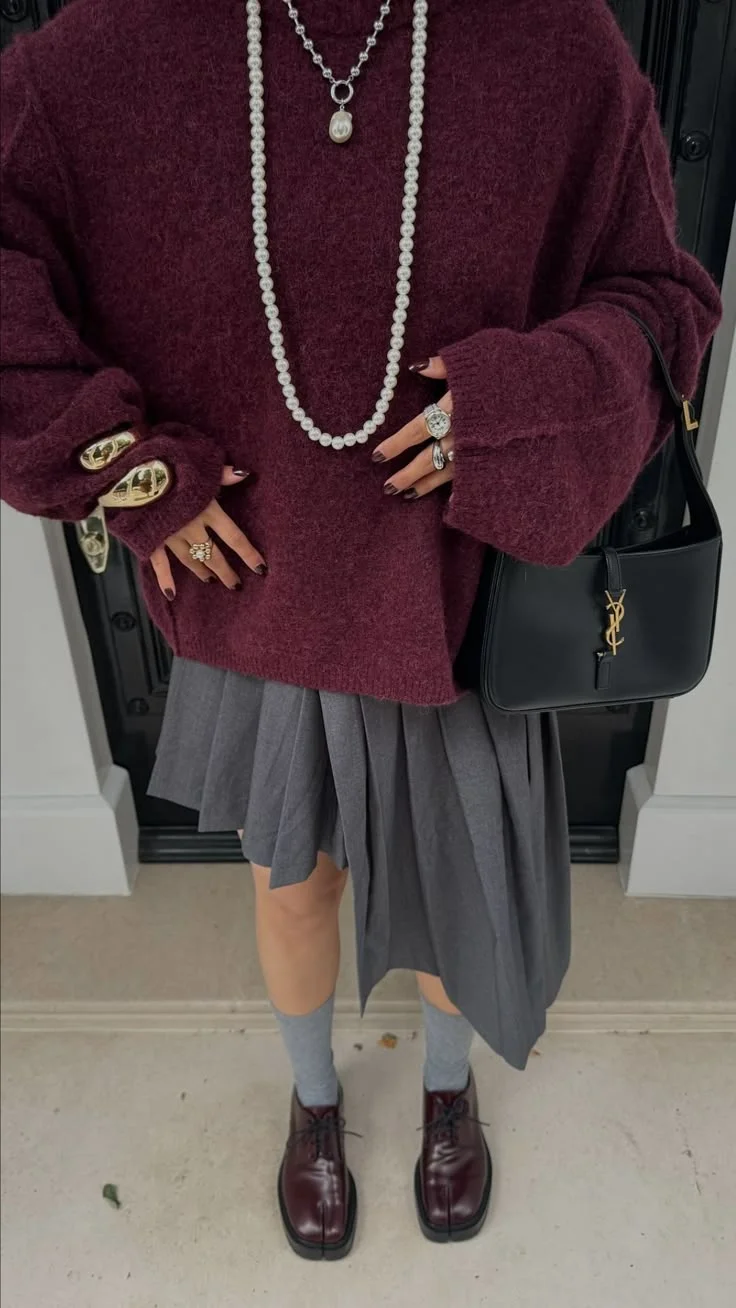
For a particularly refined combination, try burgundy with charcoal grey, faded blue denim, or cream. These shades allow the knitwear to stand out without overwhelming the rest of the outfit.
Source pending
Source pending
streetstylis
Source pending
shein
02 / THE LOOK
Oxblood Leather Jackets
A Softer Alternative to Black Leather
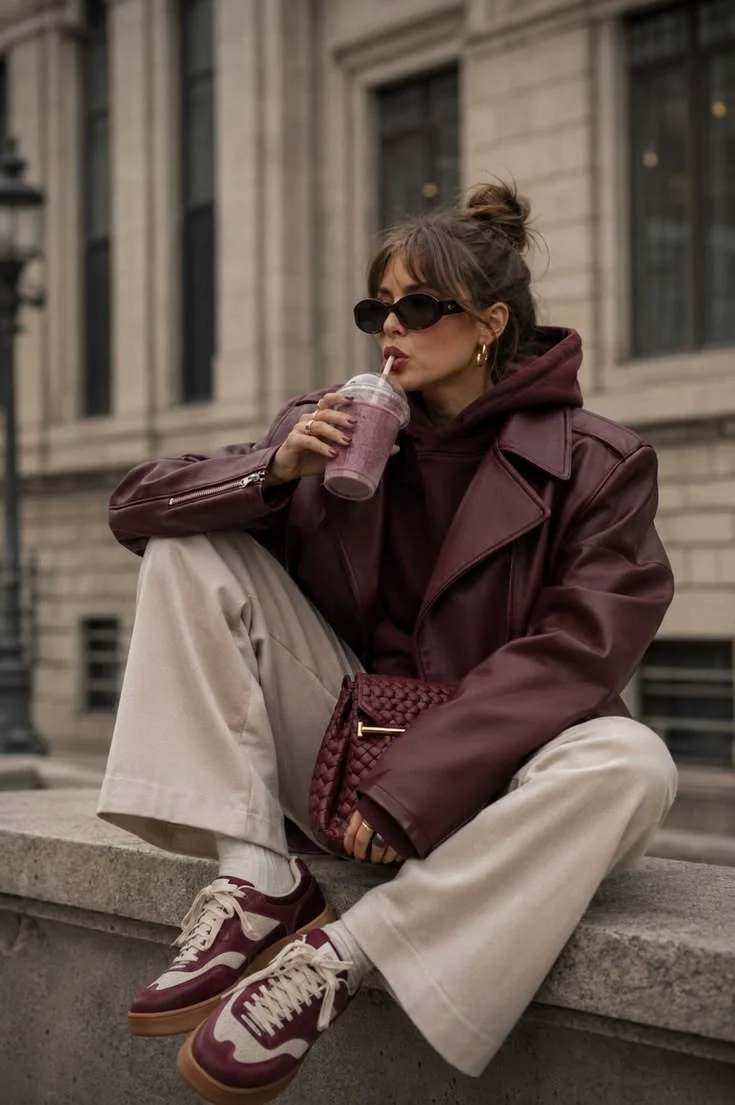
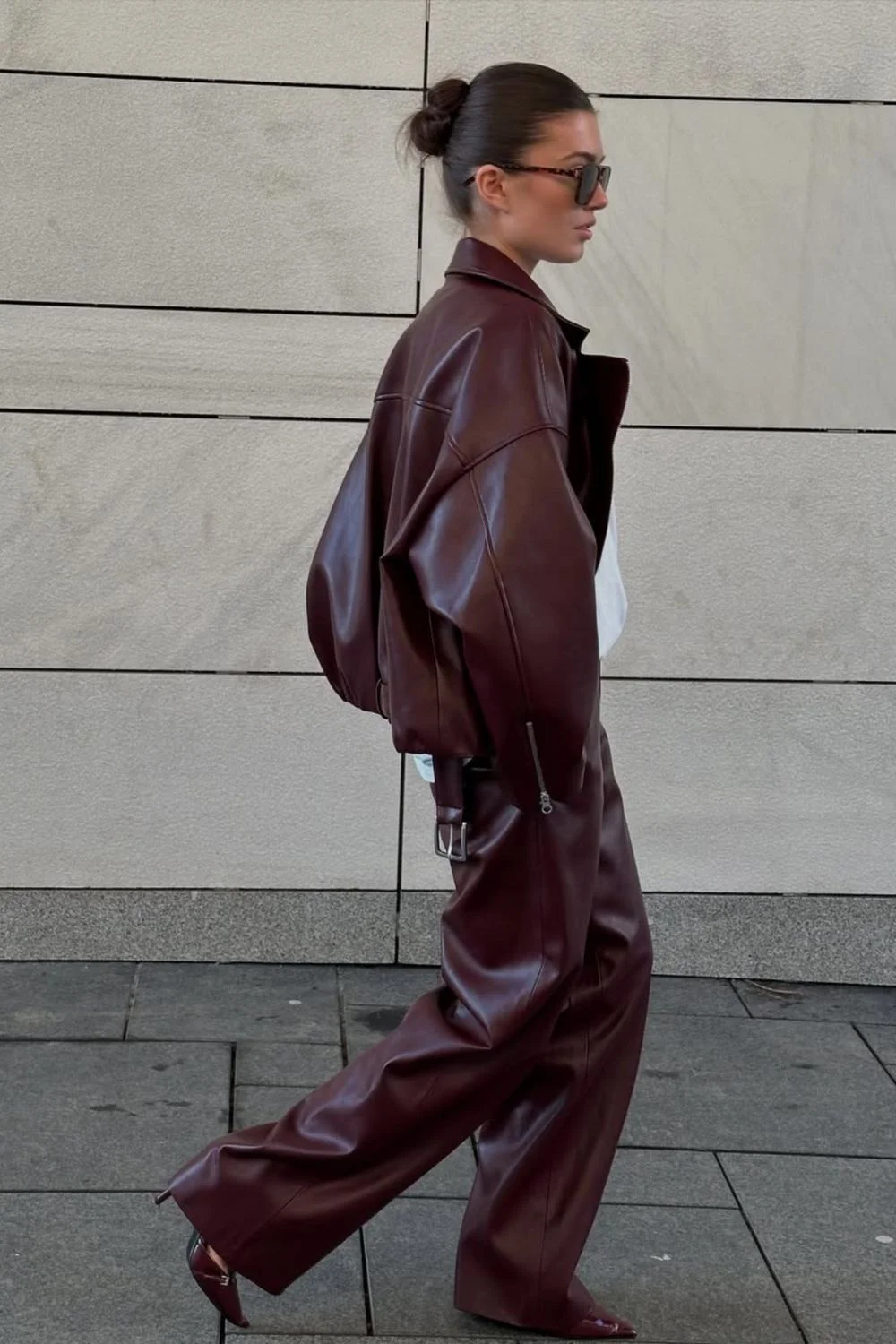
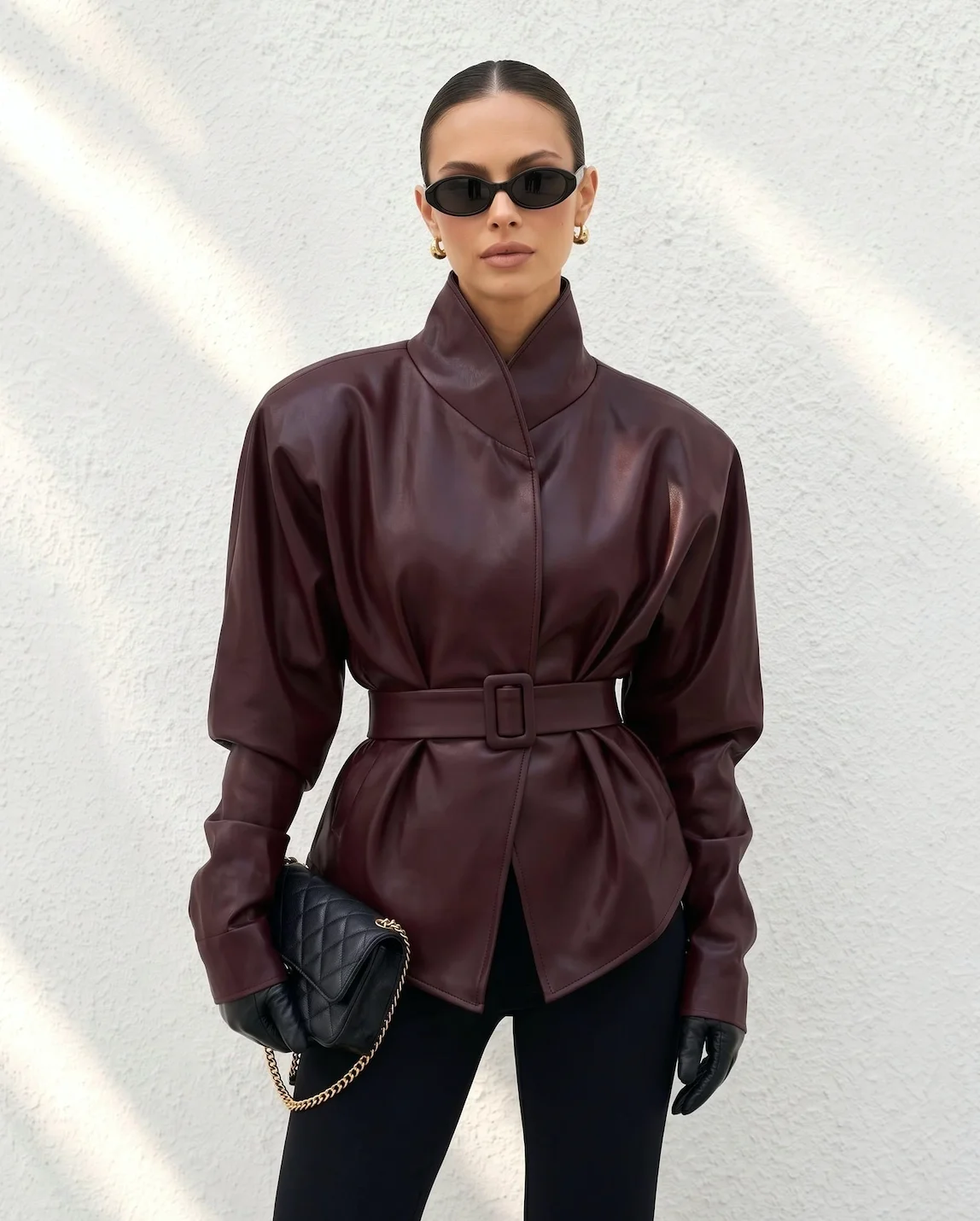
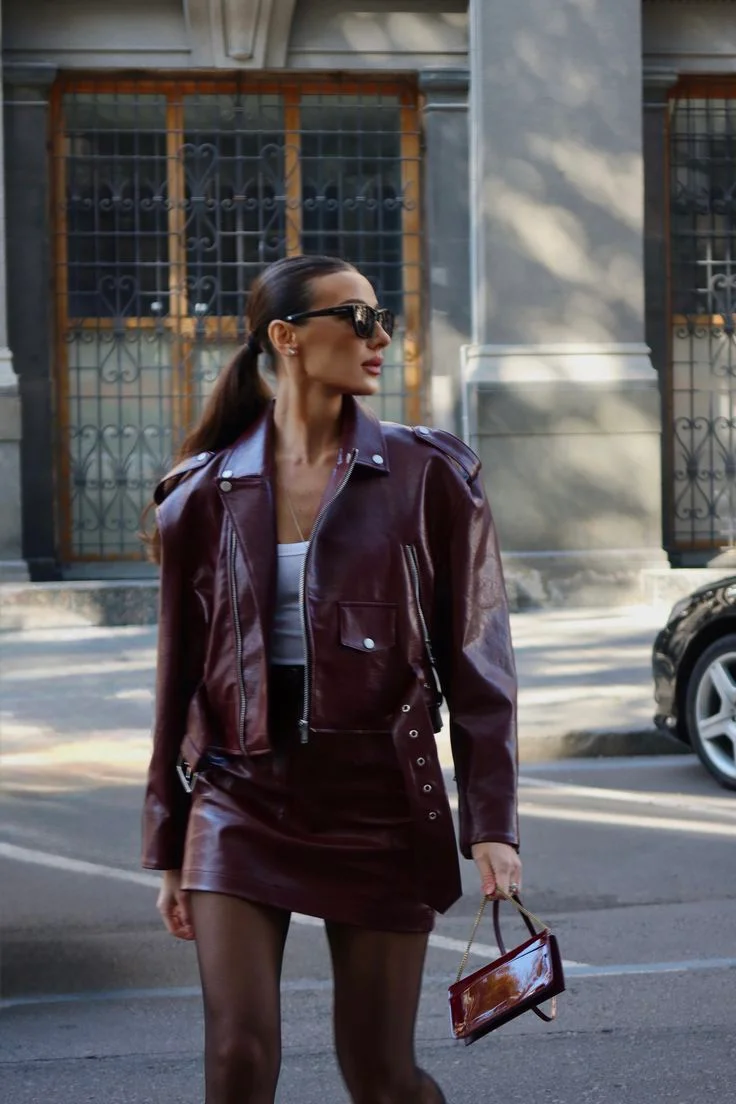
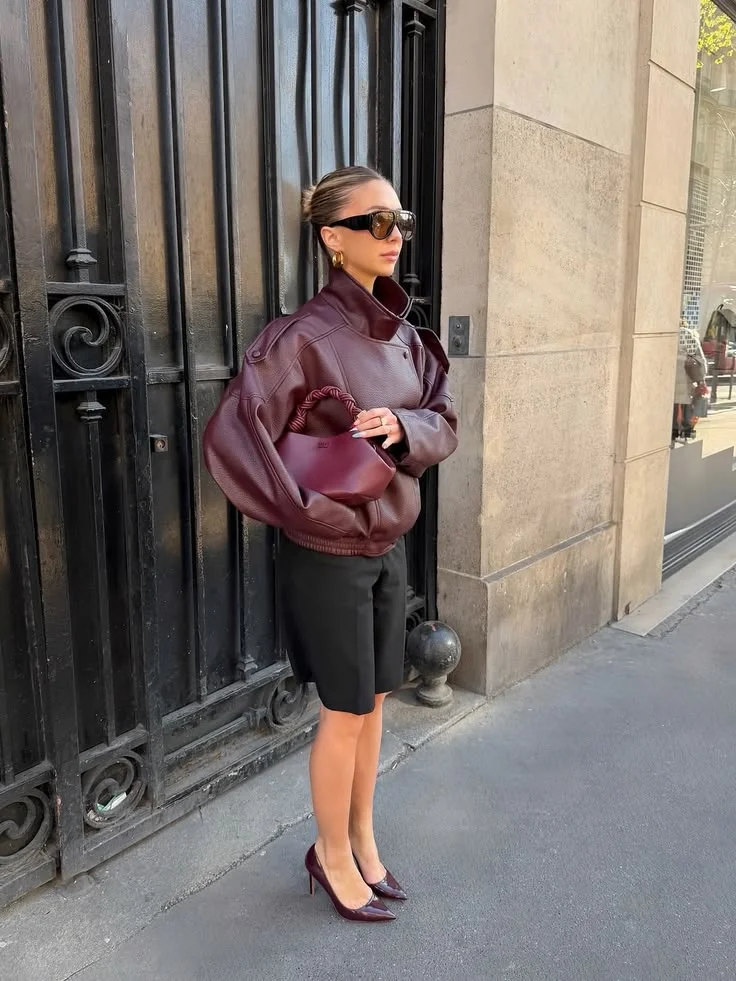
Oxblood leather sits somewhere between deep burgundy and dark brown, giving it a richness that traditional black leather does not always provide. The color adds warmth to the inherently structured appearance of leather, making it especially effective for fall and early winter styling.
Different jacket shapes create distinctly different moods. A cropped leather bomber emphasizes the waist and works well with high-rise denim or long skirts. A structured leather blazer introduces a more tailored, sophisticated silhouette, particularly when paired with wool trousers. Longer leather coats create a dramatic vertical line and look best when the rest of the outfit remains relatively simple.
The finish of the leather also changes the overall impression. Smooth, polished leather creates a sharper, more modern look, while distressed or vintage-finish leather feels softer and more relaxed. Deep oxblood tones are particularly striking when paired with washed denim, charcoal tailoring, or warm chocolate brown.
Avoid introducing too many competing statement pieces. A burgundy leather jacket already provides both color and texture, so neutral layers underneath will usually create a more balanced outfit.
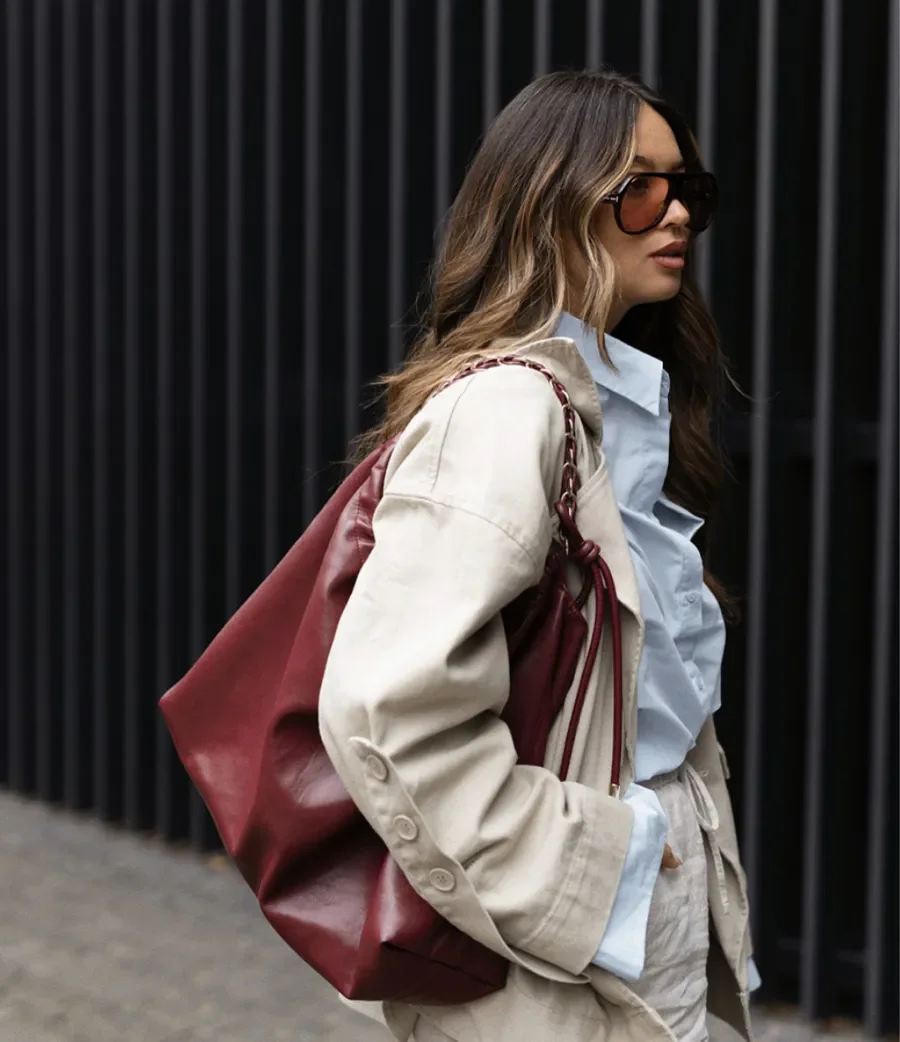
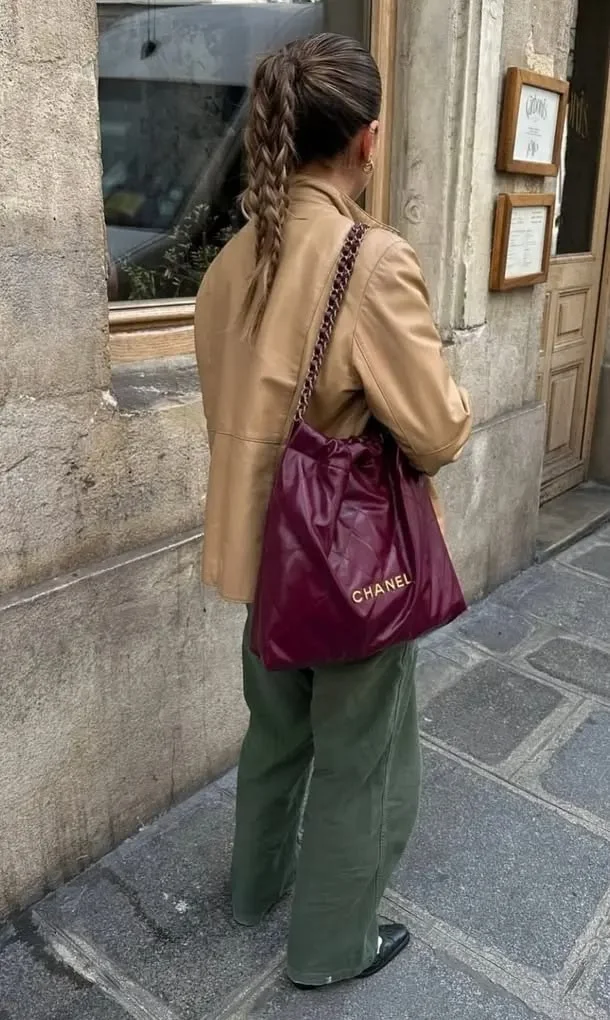
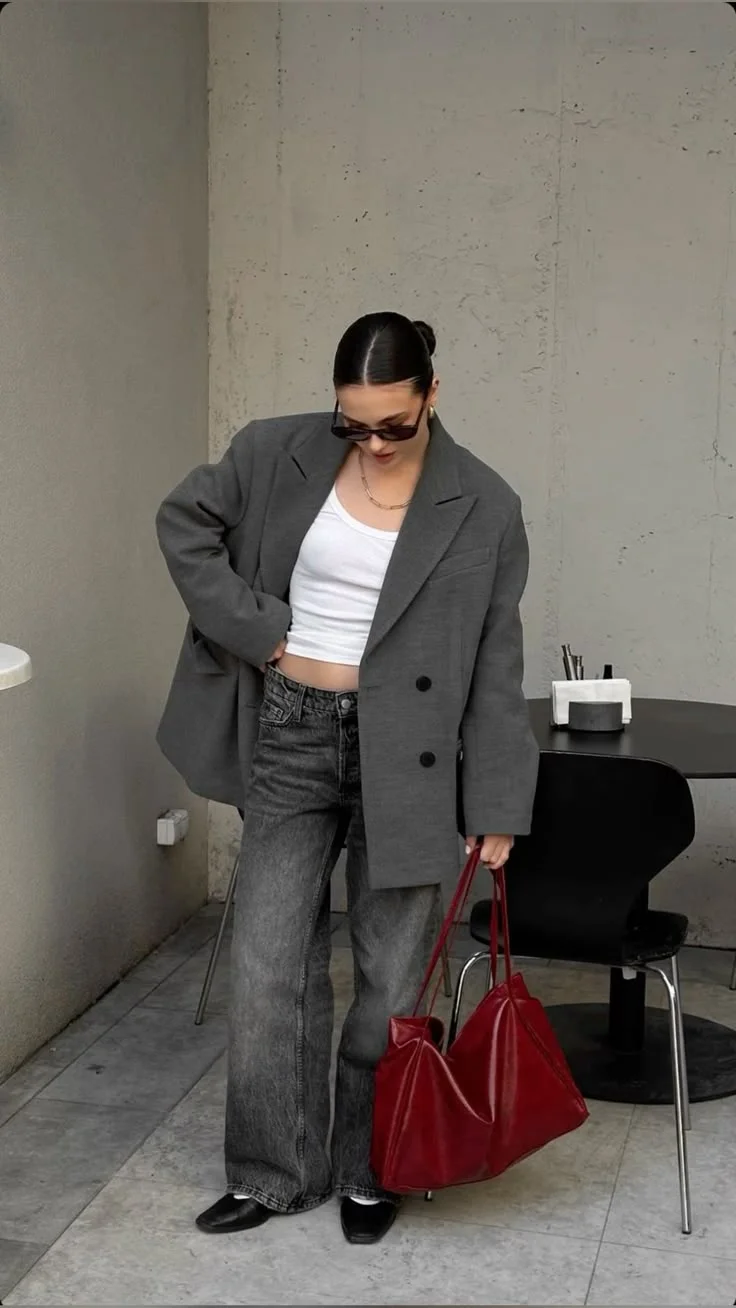
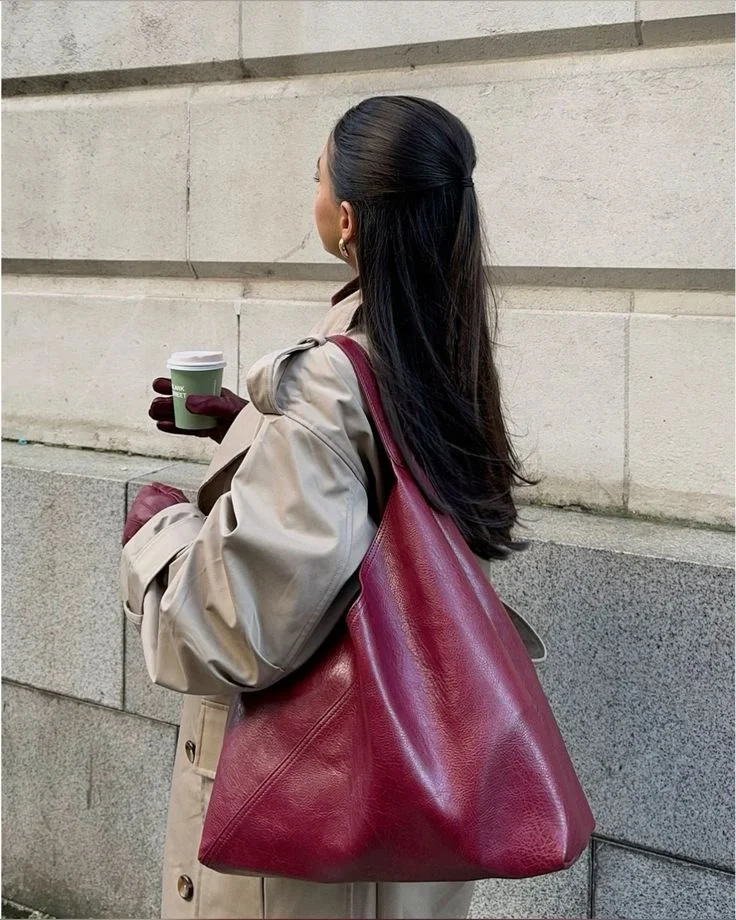
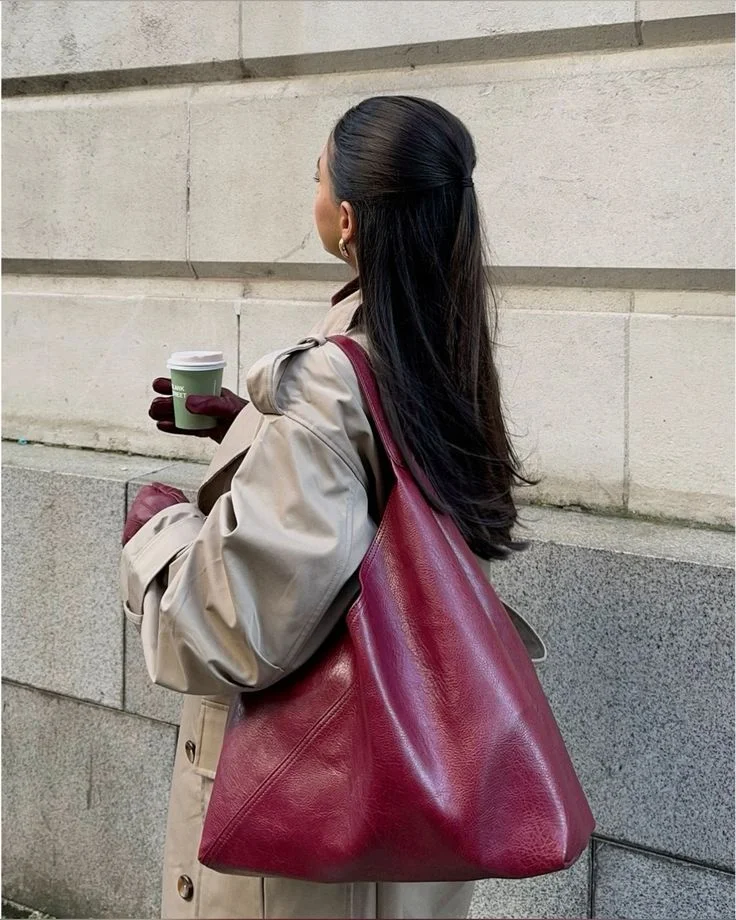
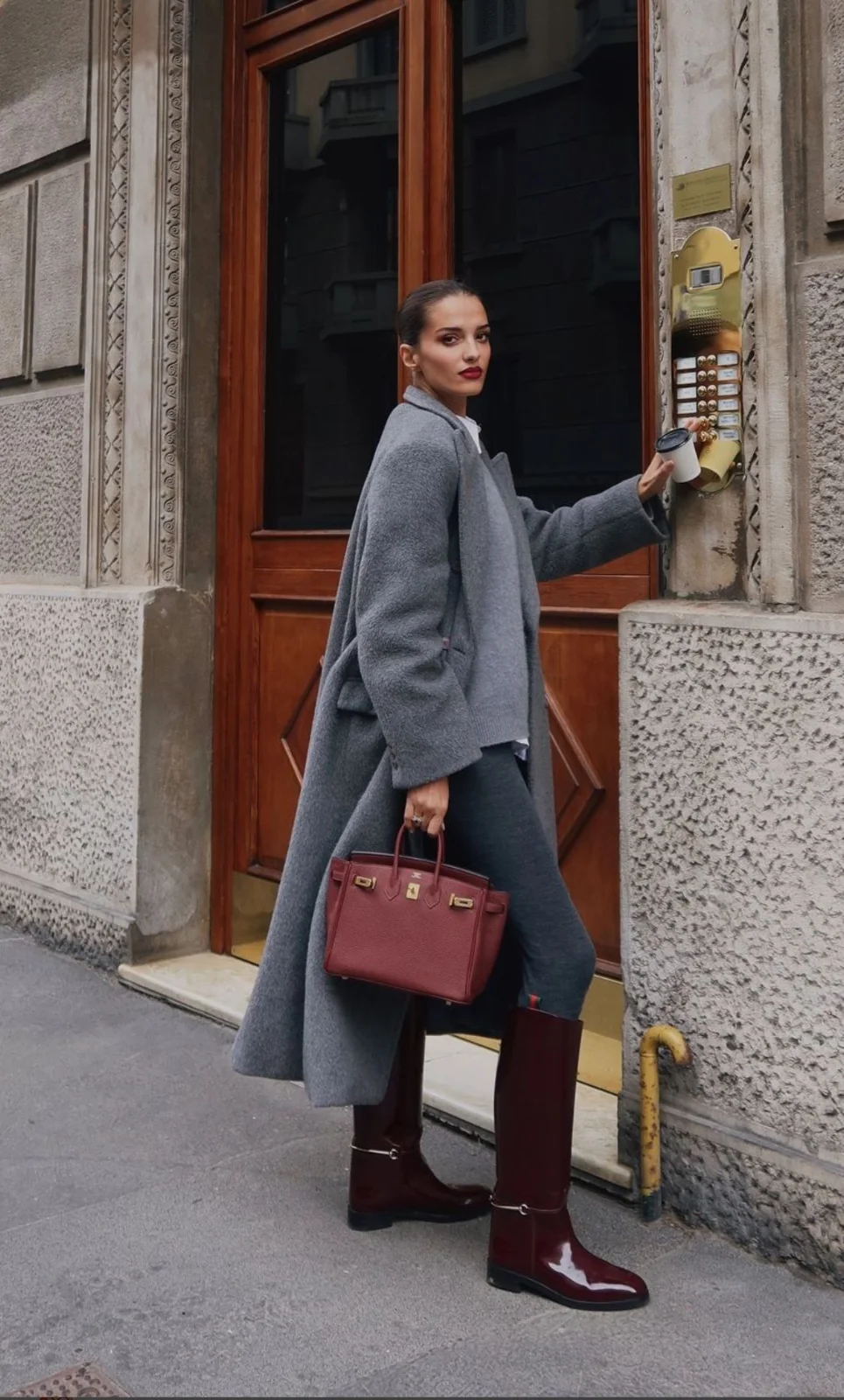
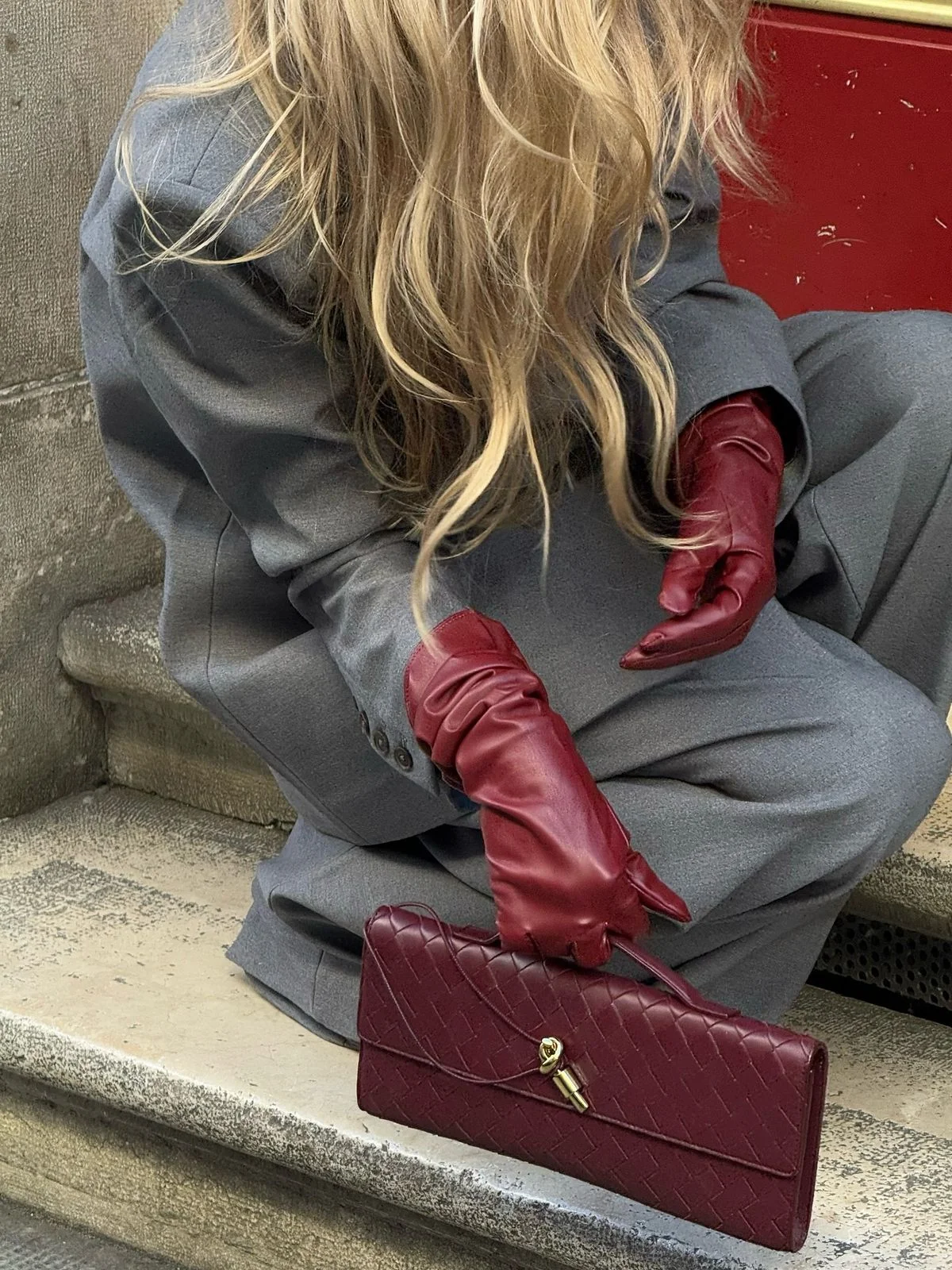
A burgundy bag offers an easy way to introduce color into an otherwise neutral wardrobe. Its muted red undertones make it surprisingly adaptable, particularly alongside black, grey, cream, camel, and chocolate brown.
The shape of the bag determines how the color is perceived. A structured top-handle or shoulder bag feels polished and intentional, making it a strong choice for tailored outfits. A slouchy leather bag creates a more relaxed appearance, while suede adds softness and visual depth. Smaller burgundy bags can provide a concentrated accent without dominating the entire look.
Material is especially important when choosing a deep red accessory. Smooth leather reflects light and makes burgundy appear slightly brighter, while suede absorbs light and often produces a softer, more muted effect. Patent finishes create a stronger statement and work best when paired with understated clothing.
Burgundy bags are particularly effective with monochromatic outfits. An all-grey ensemble becomes more visually interesting with an oxblood shoulder bag, while a cream knit and dark denim combination gains warmth from a deep wine-colored accessory.
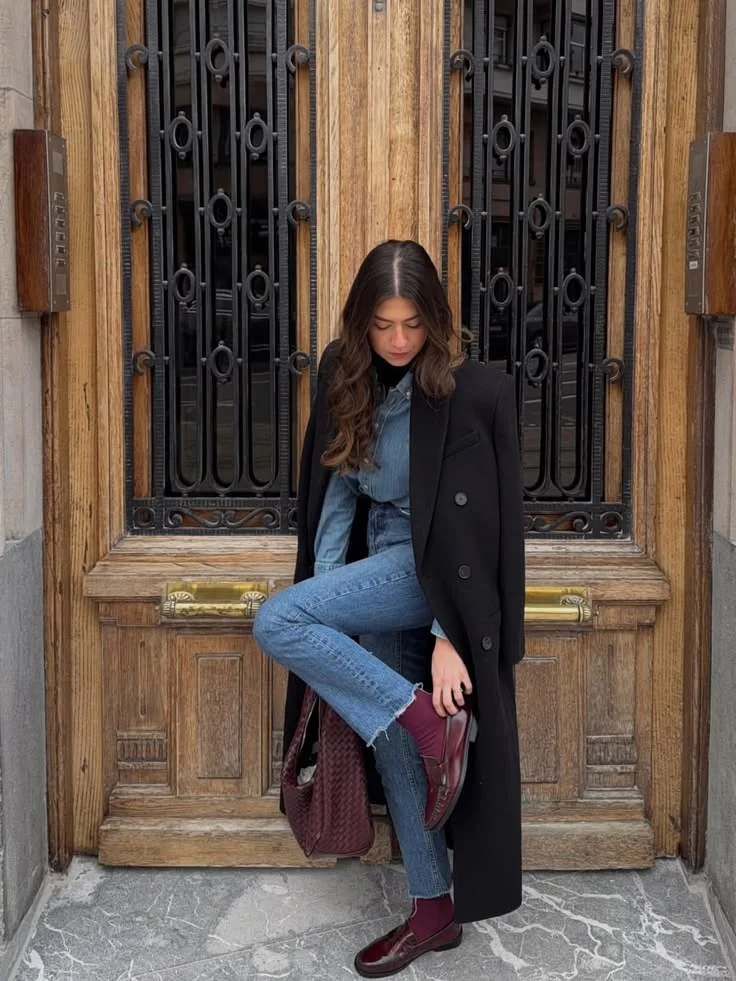
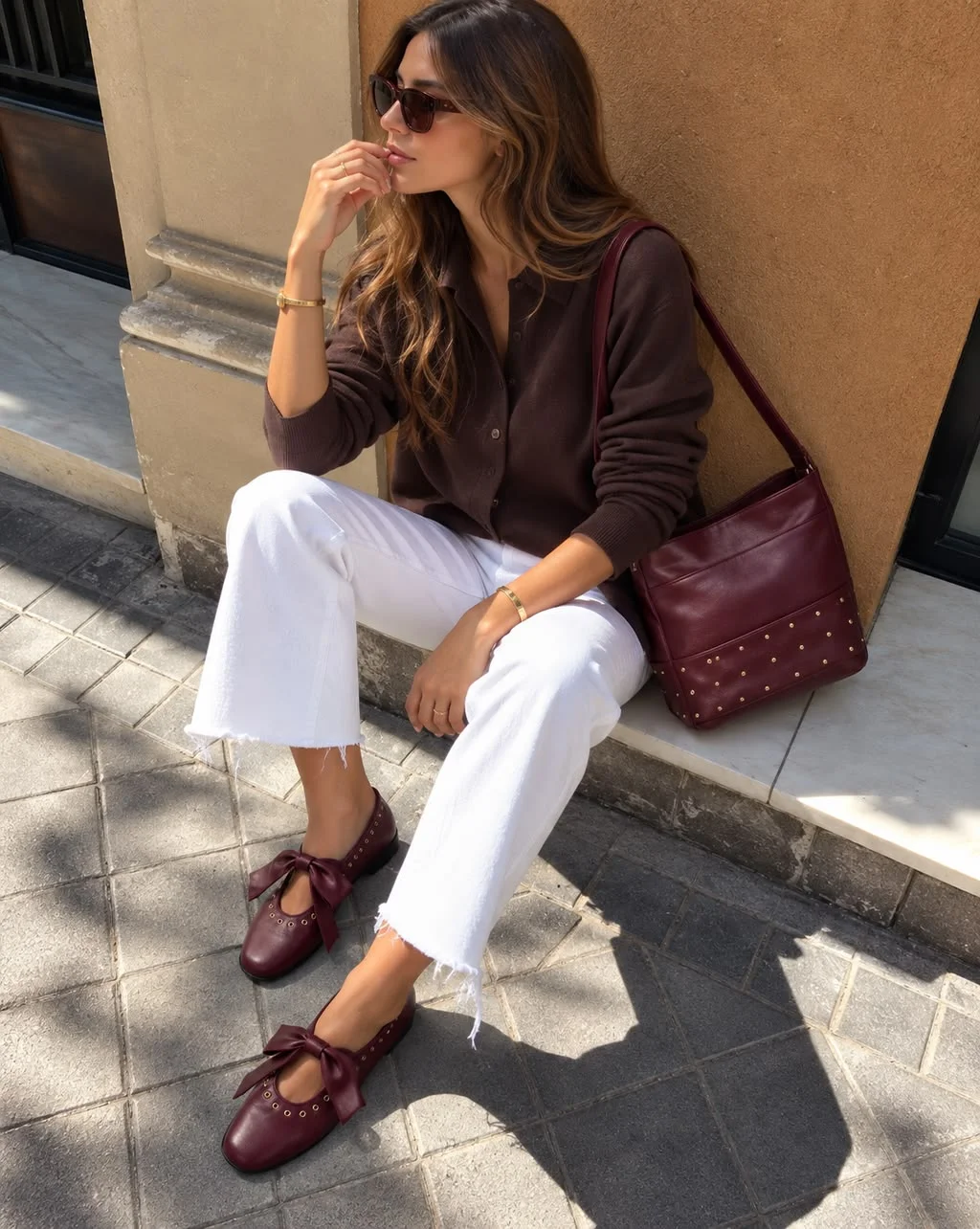
Burgundy footwear is an understated alternative to classic black or brown shoes. Because shoes sit at the edge of an outfit, introducing color here creates visual interest without requiring a complete wardrobe change.
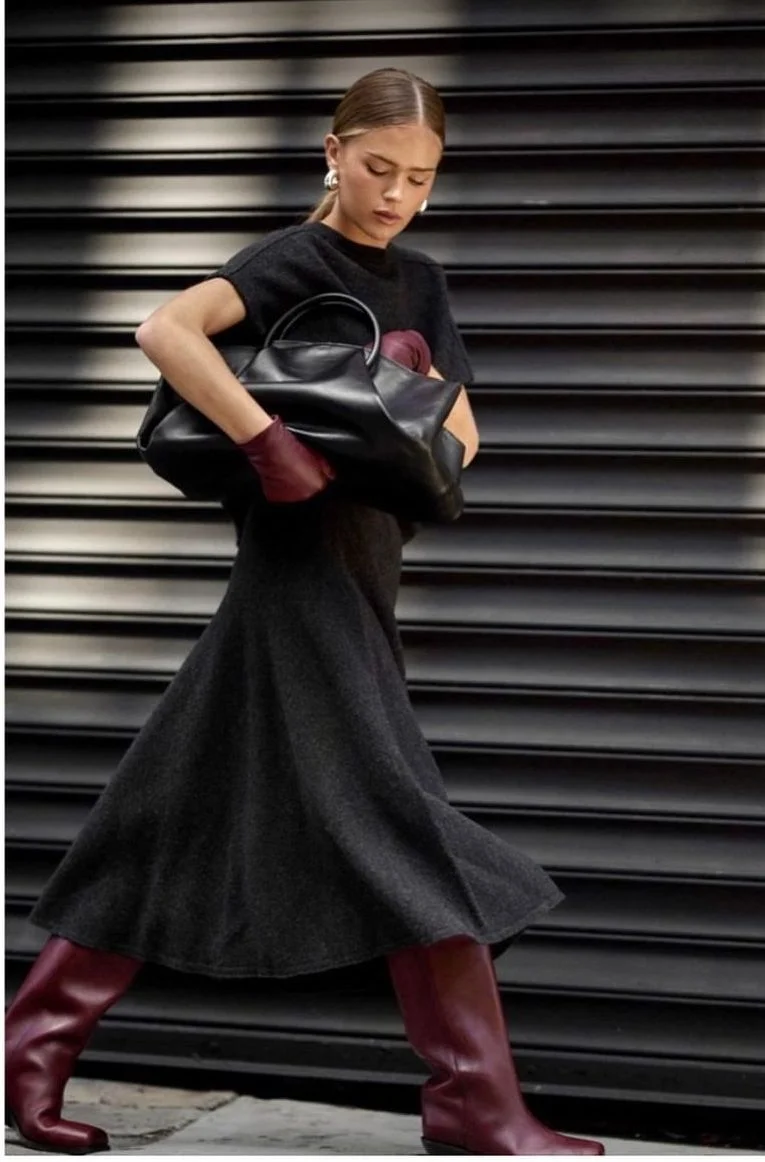
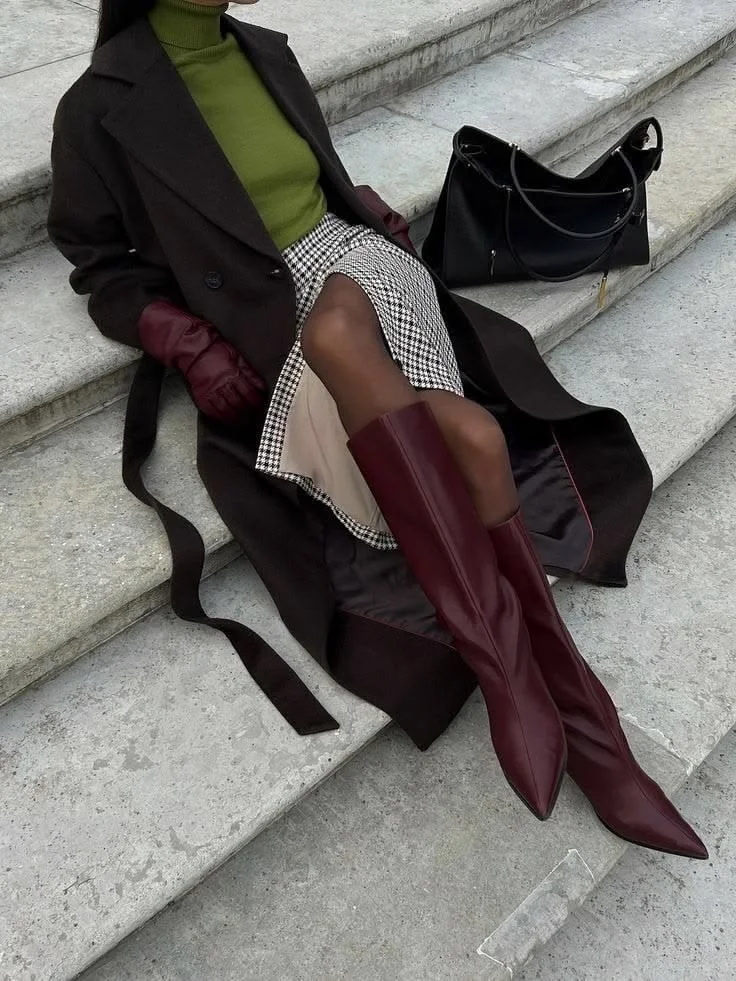
The effect depends on the shoe silhouette. Burgundy loafers bring a tailored, slightly academic quality to trousers and pleated skirts. Mary Janes introduce a softer, vintage-inspired mood, especially when styled with socks or tights. Ballet flats feel delicate and relaxed, while knee-high oxblood boots create a stronger visual statement beneath skirts and coats.
Leather finishes also matter. Polished burgundy leather looks particularly sharp with grey wool trousers, while suede boots create a softer transition between autumnal textures. Deep red patent shoes can be striking, but they are most effective when the rest of the outfit is relatively restrained.
Proportion is another important consideration. Burgundy flats work well with cropped trousers that reveal the ankle, while knee-high boots can create a continuous line when worn with similarly toned tights or longer skirts.
Source pending
Source pending
Source pending
micuir
racalsienna
05 / THE LOOK
Burgundy & Grey Outfits
Understanding the Contrast Between Warmth and Coolness
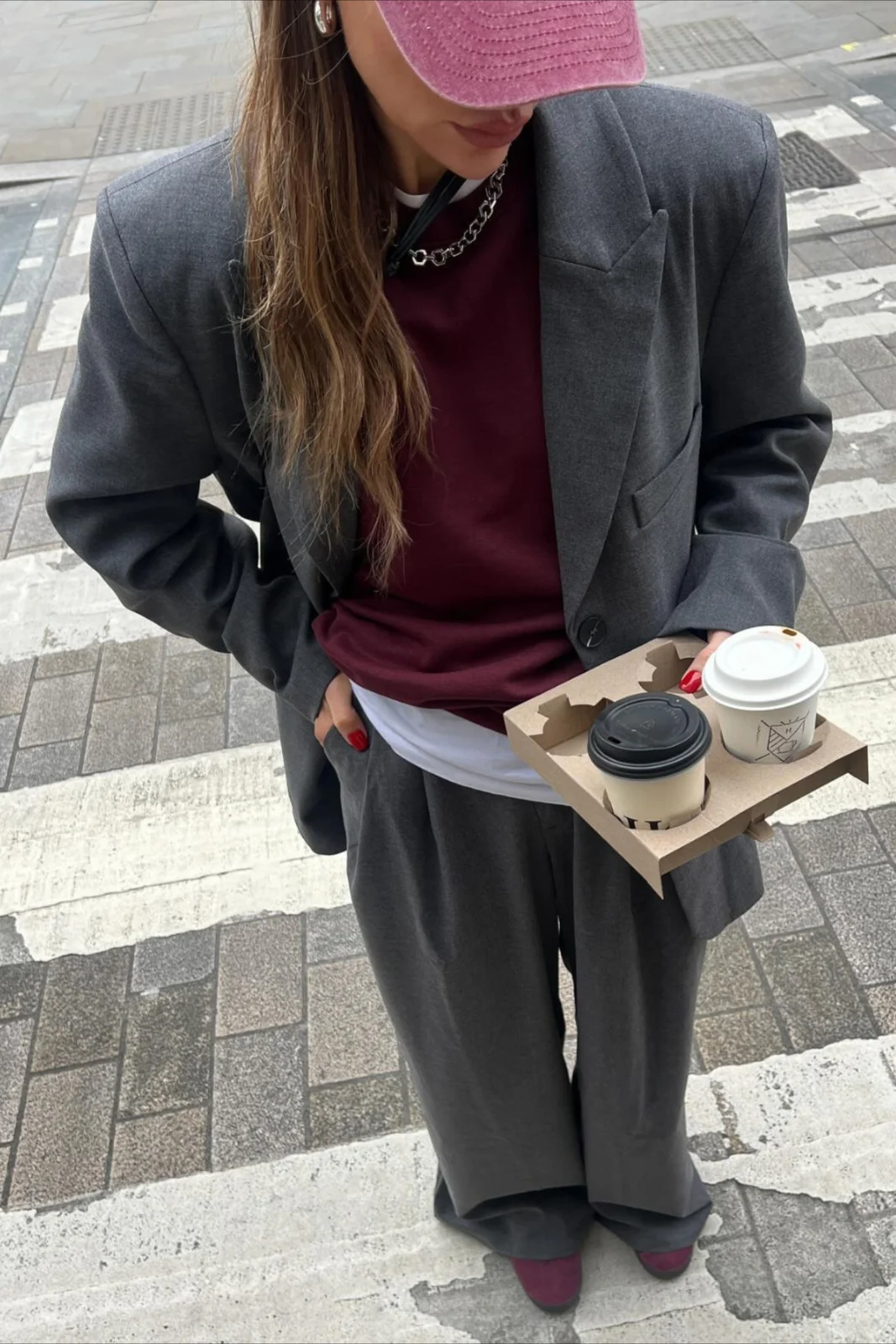
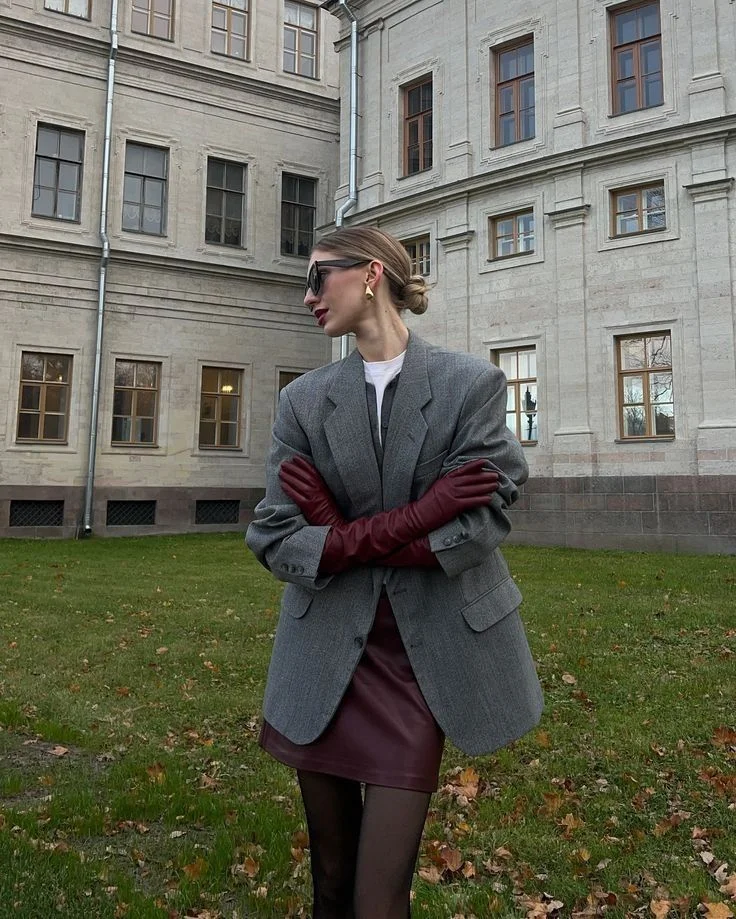
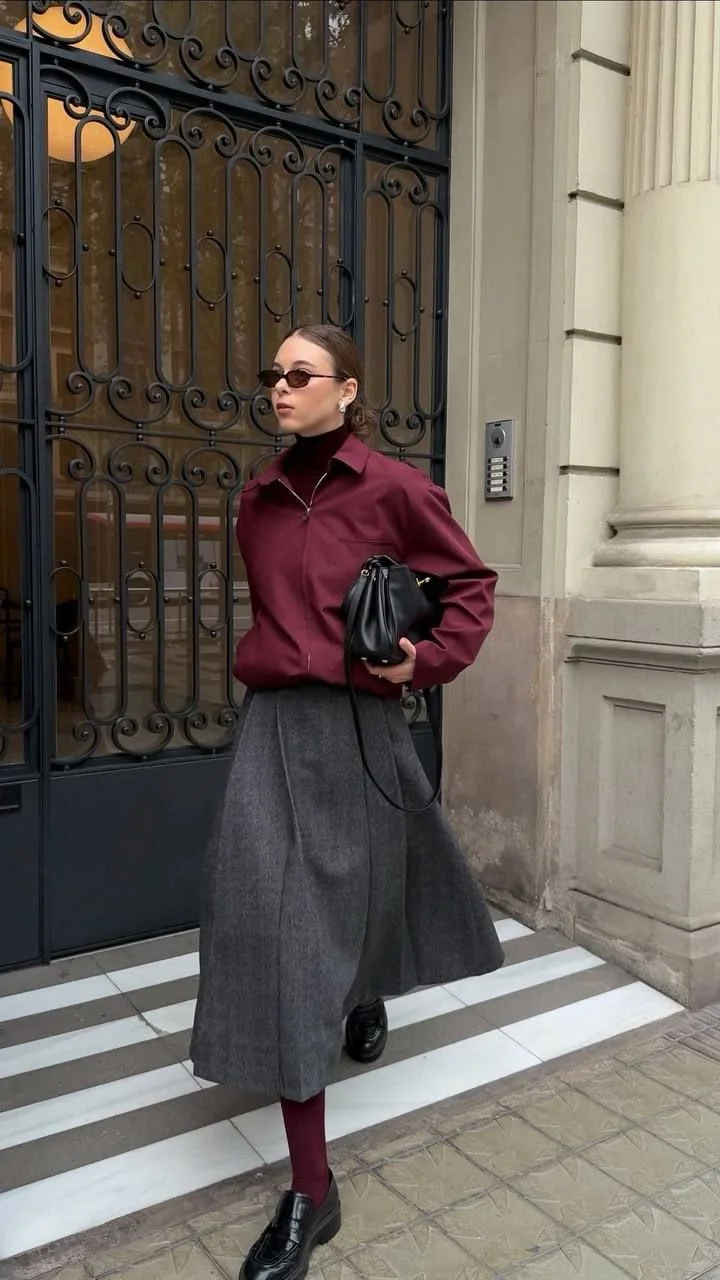
Burgundy and grey work exceptionally well together because they create contrast without relying on highly saturated colors. Burgundy introduces depth and warmth, while grey provides a cooler, quieter foundation.
The particular shade of grey changes the mood considerably. Light grey creates a softer contrast that makes burgundy appear richer and more noticeable. Charcoal grey produces a darker, more understated combination that feels particularly appropriate for tailored fall and winter outfits.
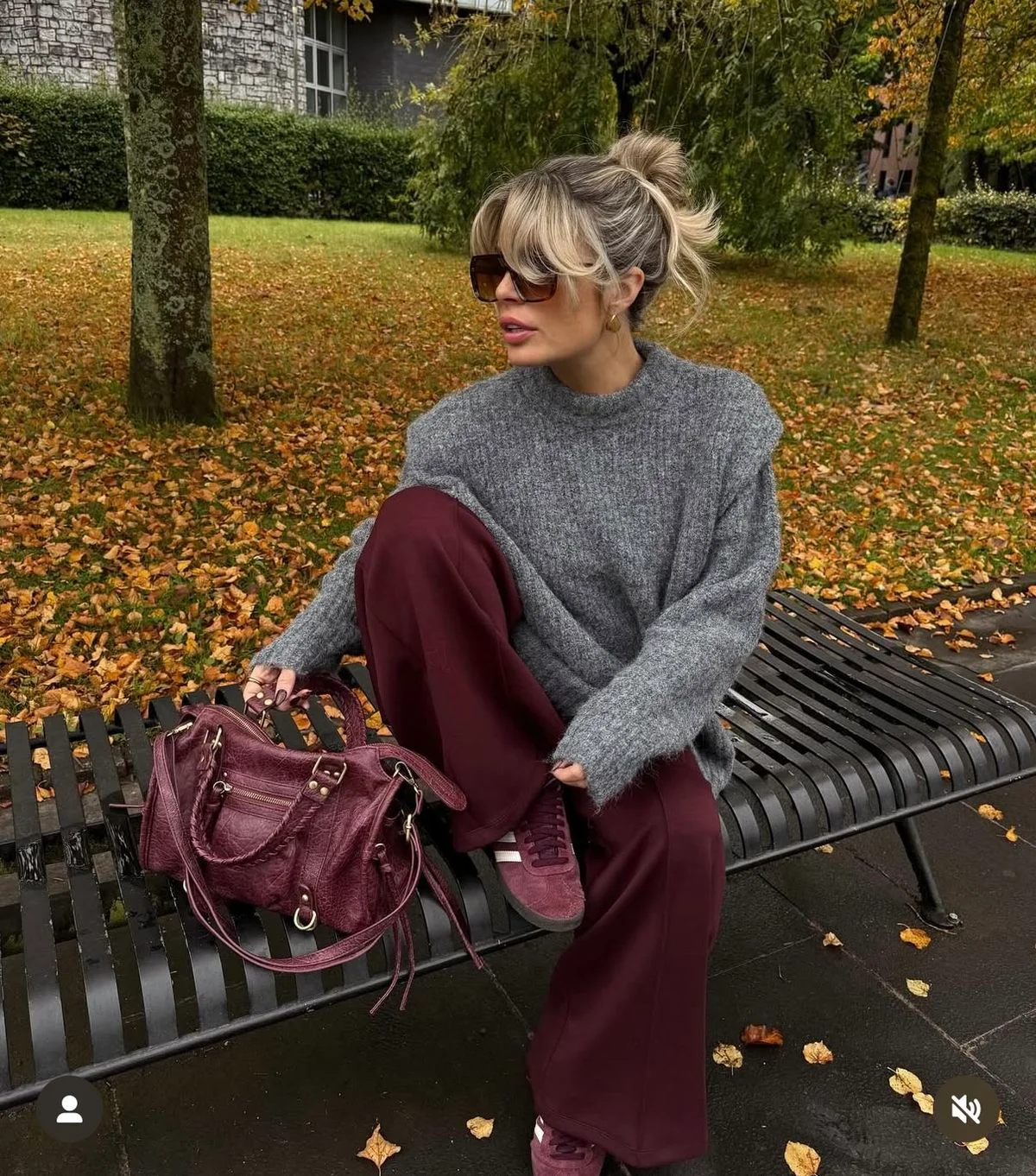
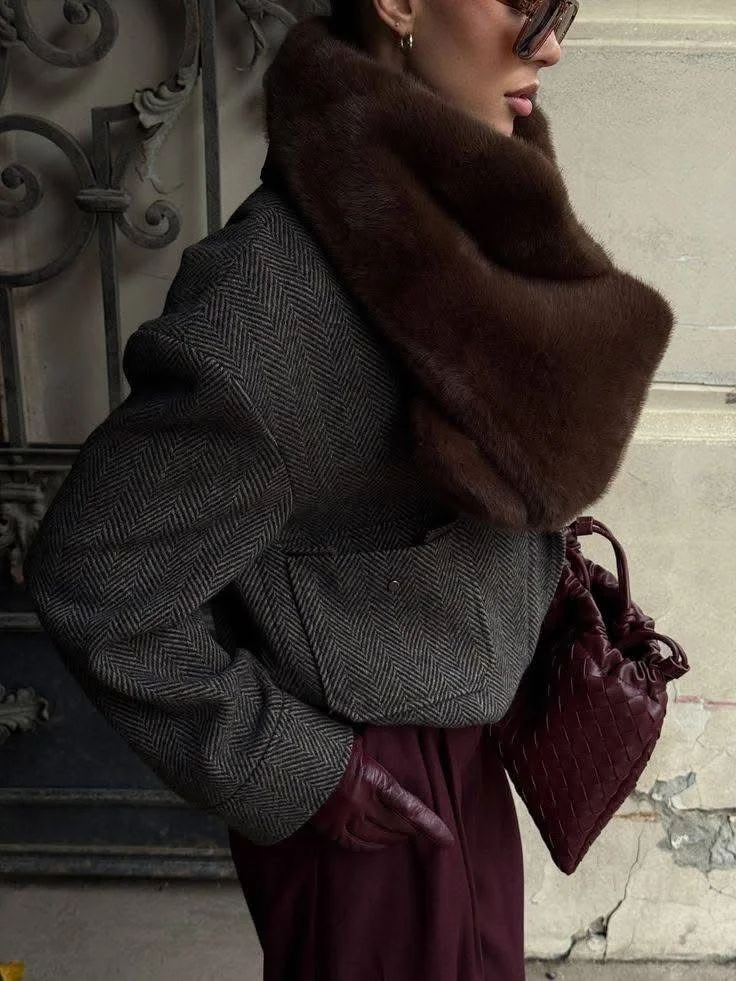
The distribution of color is just as important as the shades themselves. A burgundy sweater with grey trousers places the richer color near the face, making it the focal point. A grey coat worn over burgundy knitwear creates a layered effect, while a monochromatic grey outfit with a burgundy bag or shoes uses color more sparingly.
Texture prevents this combination from appearing flat. Wool trousers, cashmere sweaters, leather accessories, and brushed coats each reflect light differently, giving the two-color palette more dimension.
For a clean, sophisticated result, limit additional colors to black, white, or cream. These shades support the burgundy-and-grey combination without competing for attention.
Burgundy and chocolate brown create a particularly harmonious combination because both colors share a sense of depth and warmth. Unlike burgundy and grey, which rely on contrast, this pairing works through tonal similarity.
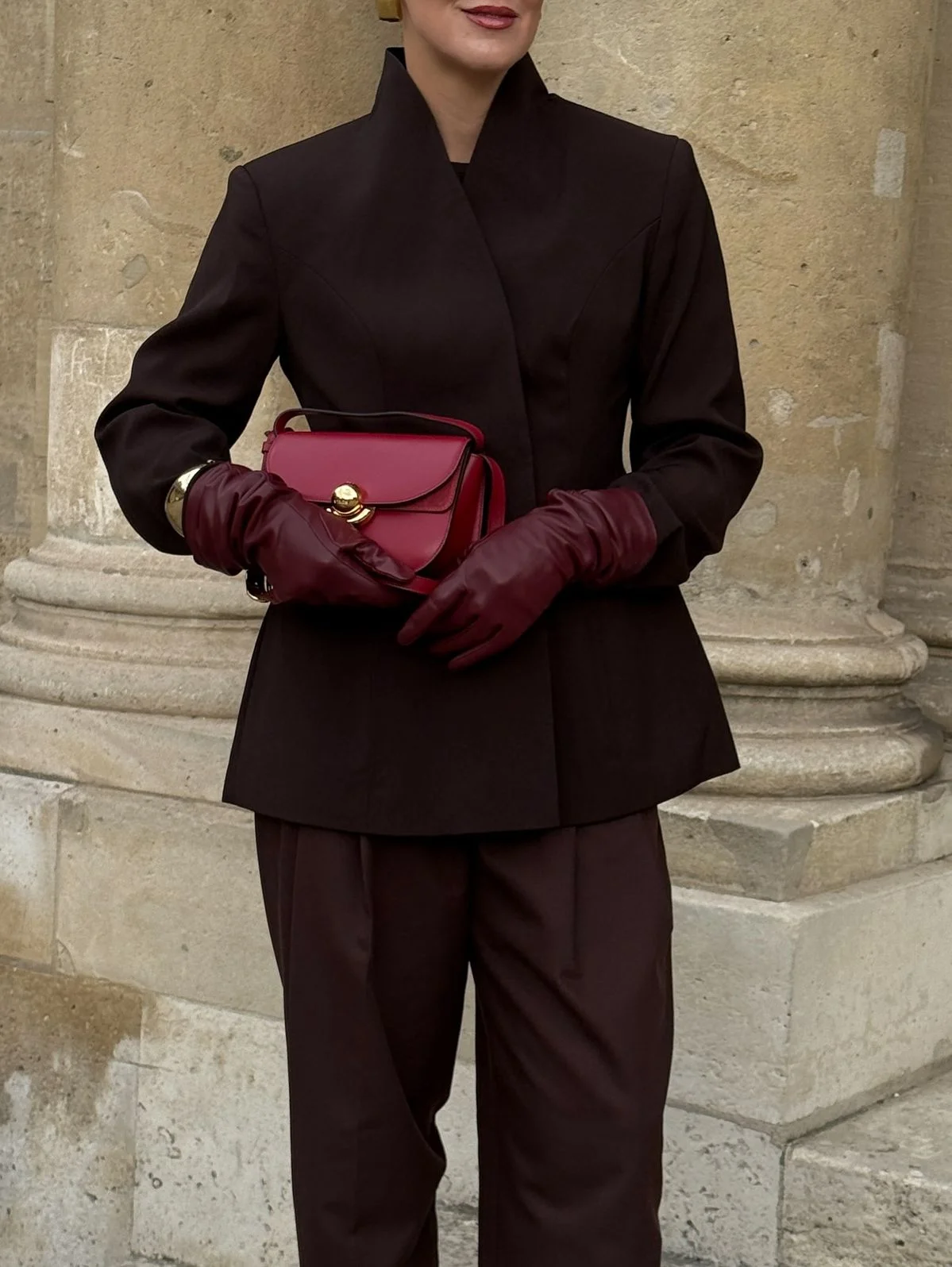
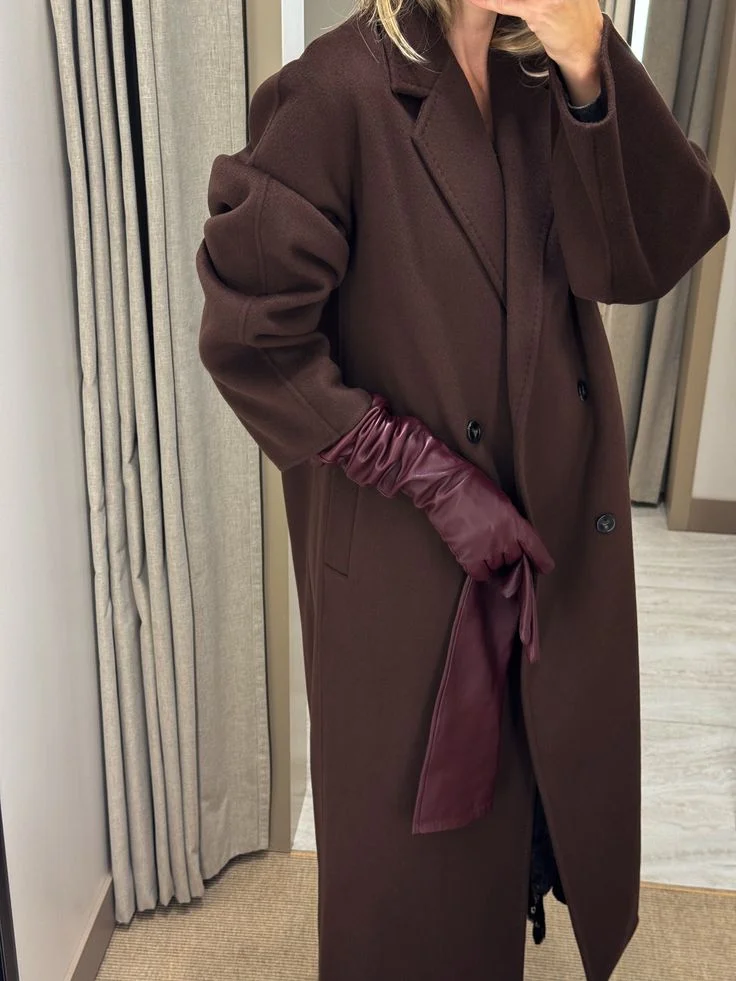
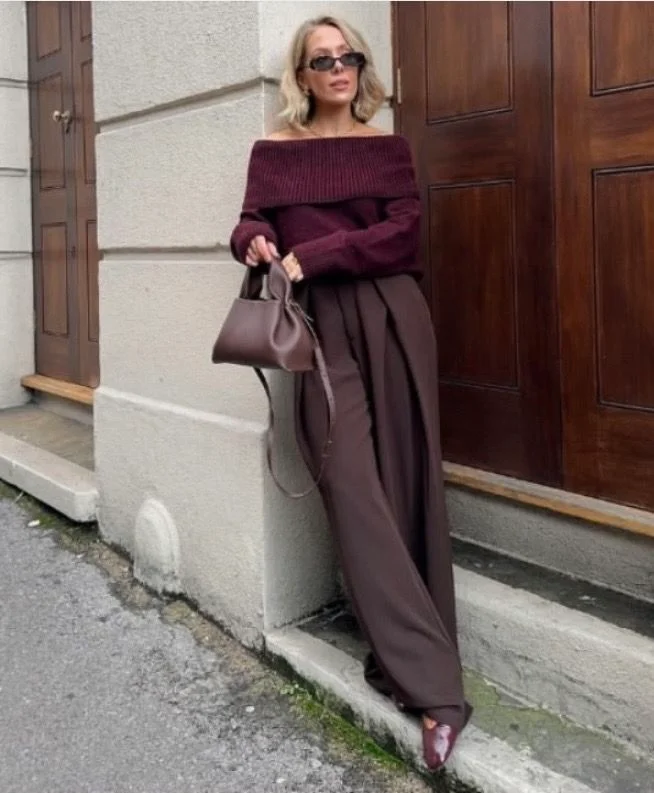
The key is choosing shades with enough separation to remain visually distinct. A muted wine-red sweater pairs beautifully with deep espresso trousers, while a brighter burgundy accessory can add definition to a dark brown coat. When both colors are extremely dark, introducing a lighter neutral such as cream can prevent the outfit from appearing too heavy.
Material variation plays an important role. Chocolate brown suede creates a soft contrast against smooth burgundy leather, while burgundy knitwear adds warmth to structured brown tailoring. Combining matte and polished finishes makes the palette feel layered rather than monotonous.
This color combination is particularly effective for fall because it complements seasonal materials such as wool, leather, suede, and corduroy. However, the look does not need to feel overly vintage. Clean silhouettes and minimal accessories can make the pairing appear modern and refined.
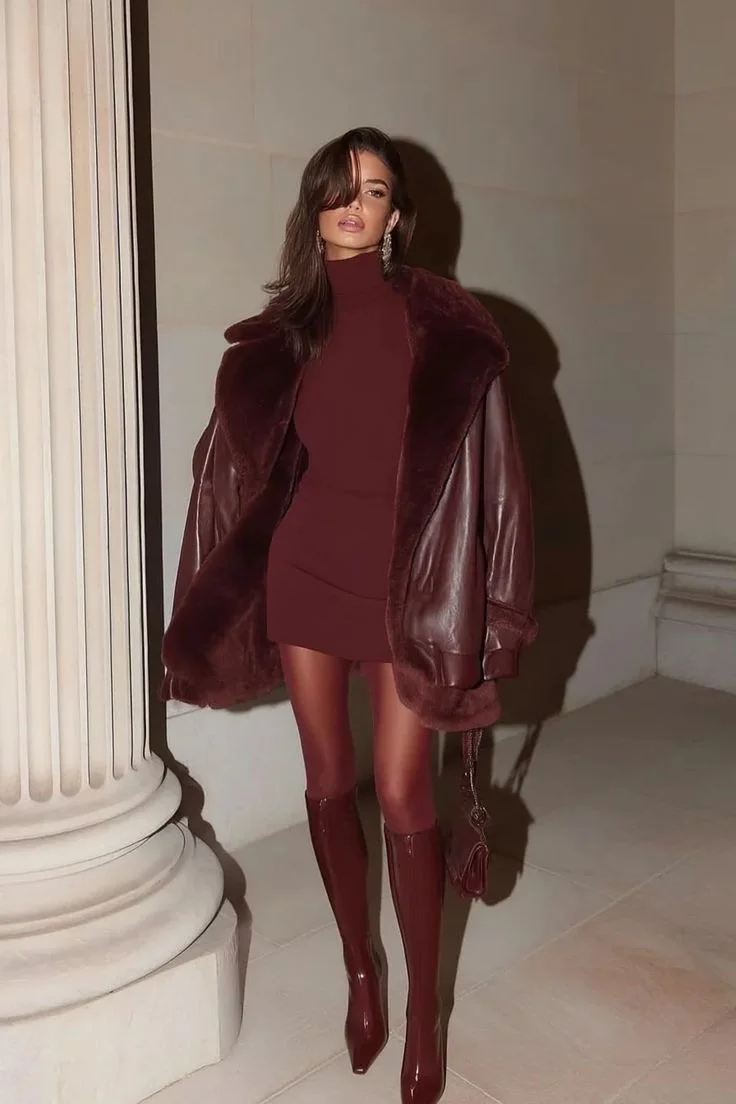
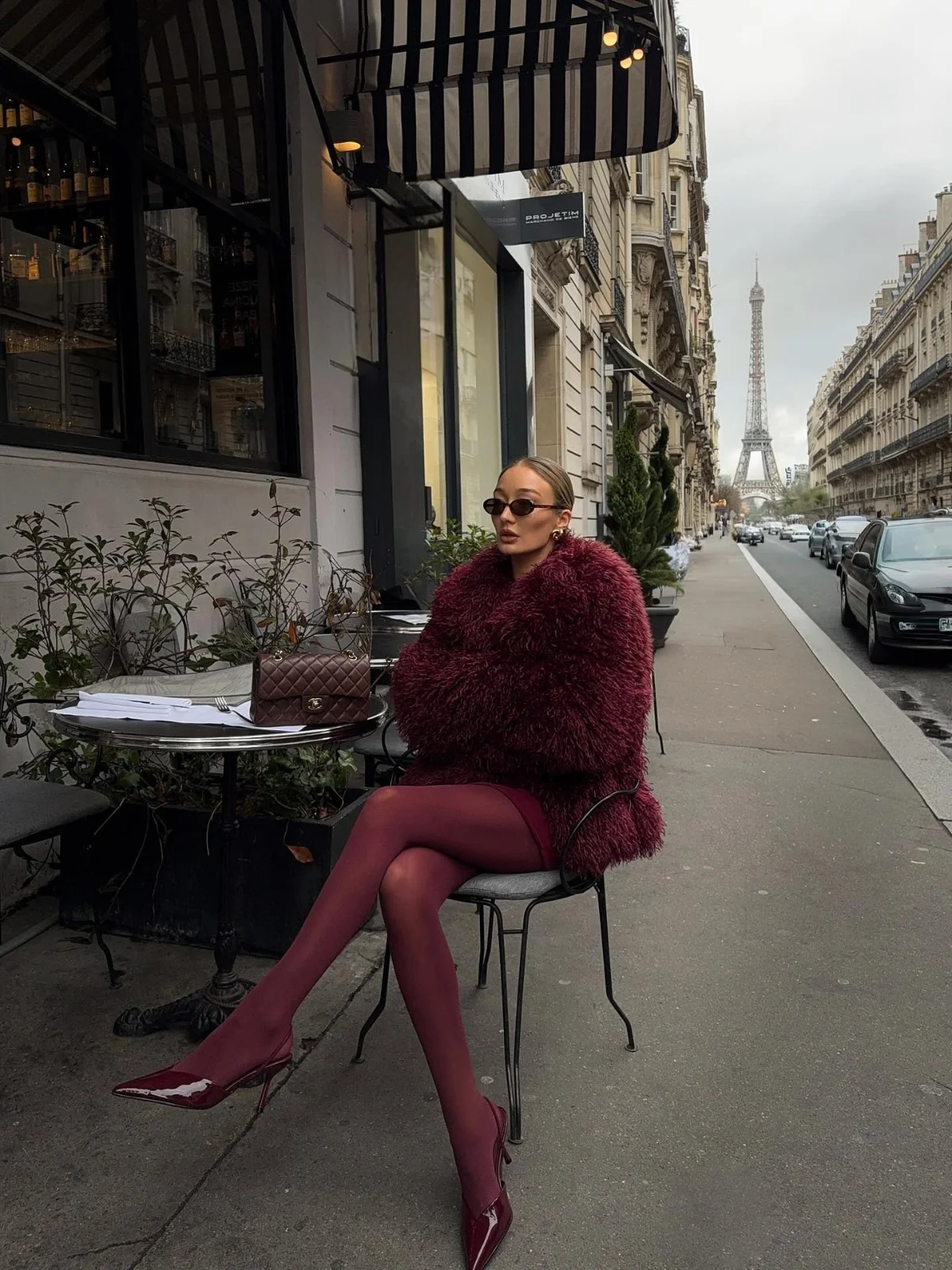
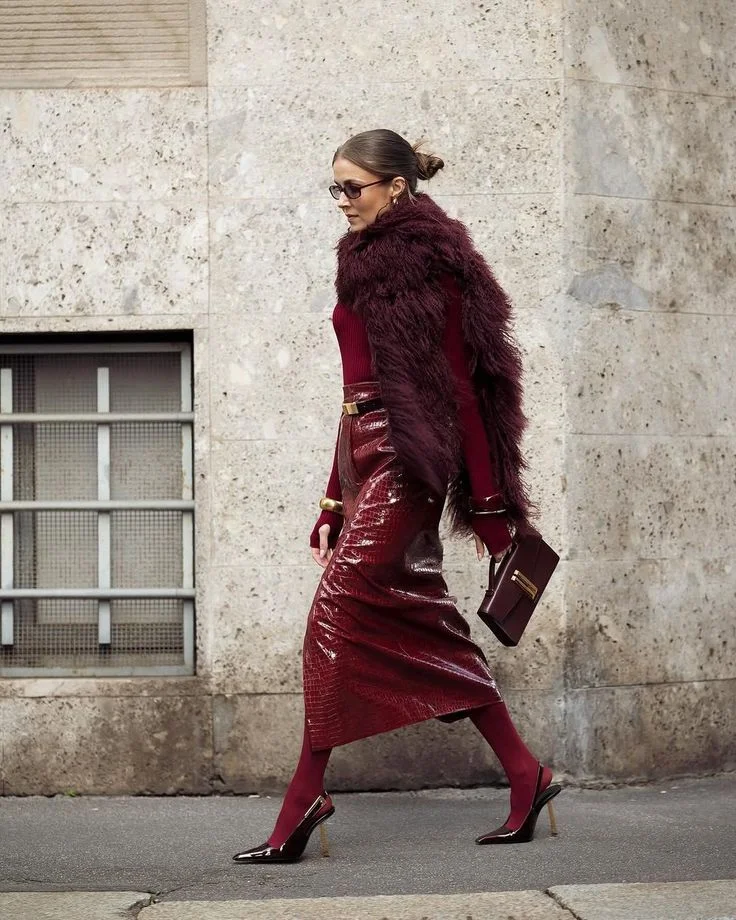
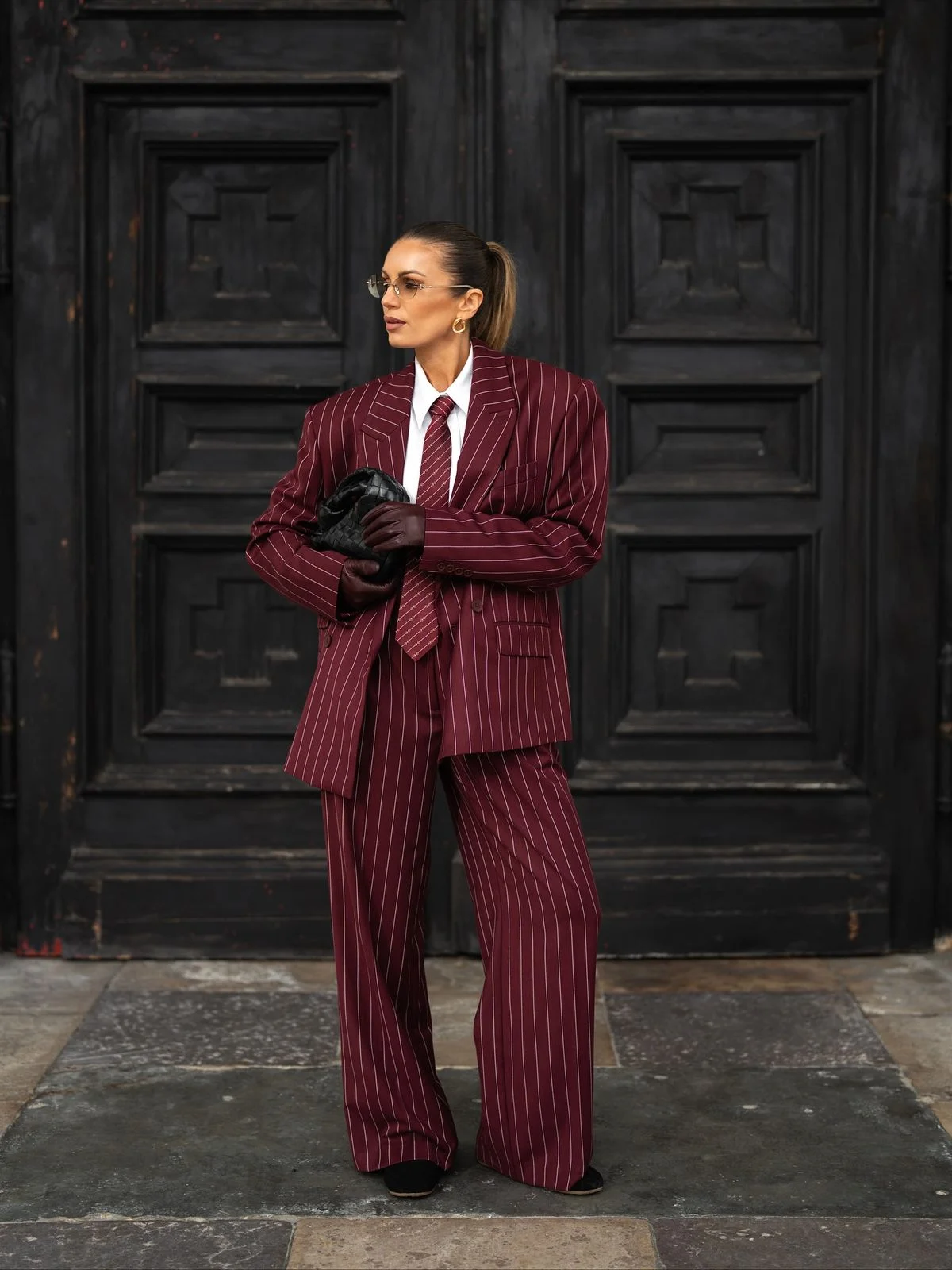
Wearing burgundy from head to toe is less about finding perfectly matching pieces and more about understanding how different shades, materials, and proportions work together.
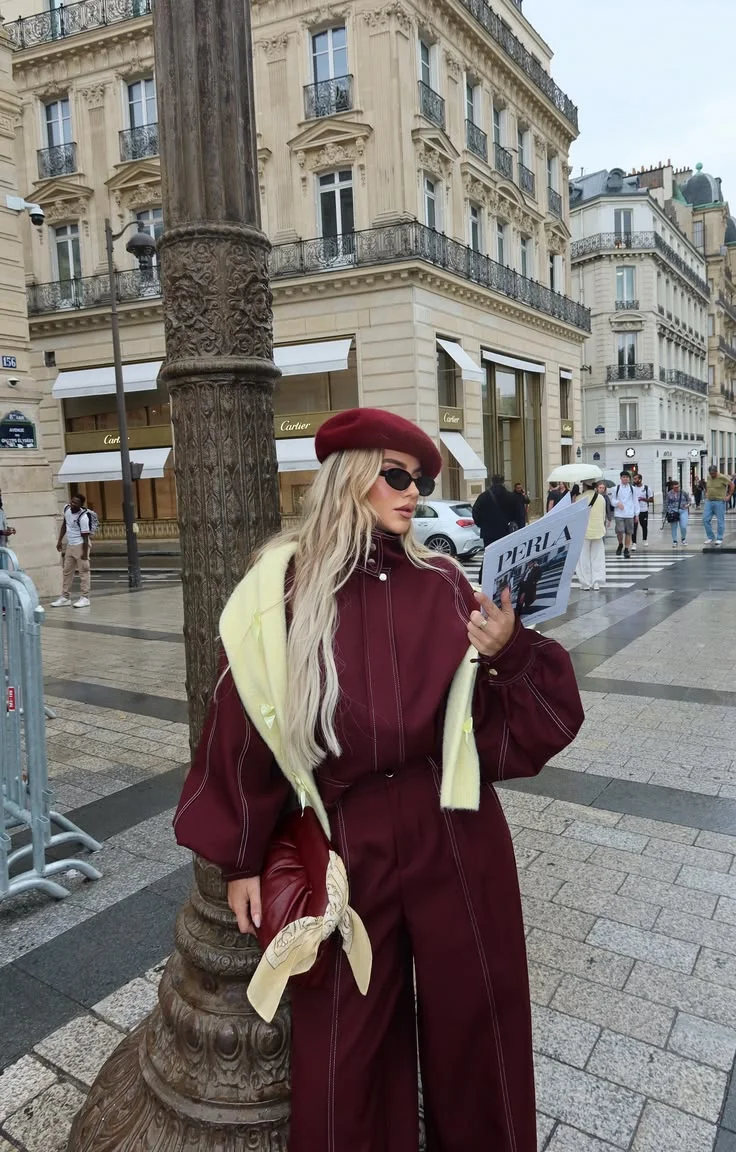
A successful monochromatic outfit often includes several variations of the same color family. Deep oxblood, muted wine, dark cherry, and soft berry tones can be layered to create depth without introducing an entirely different color. The subtle variation prevents the outfit from appearing overly coordinated.
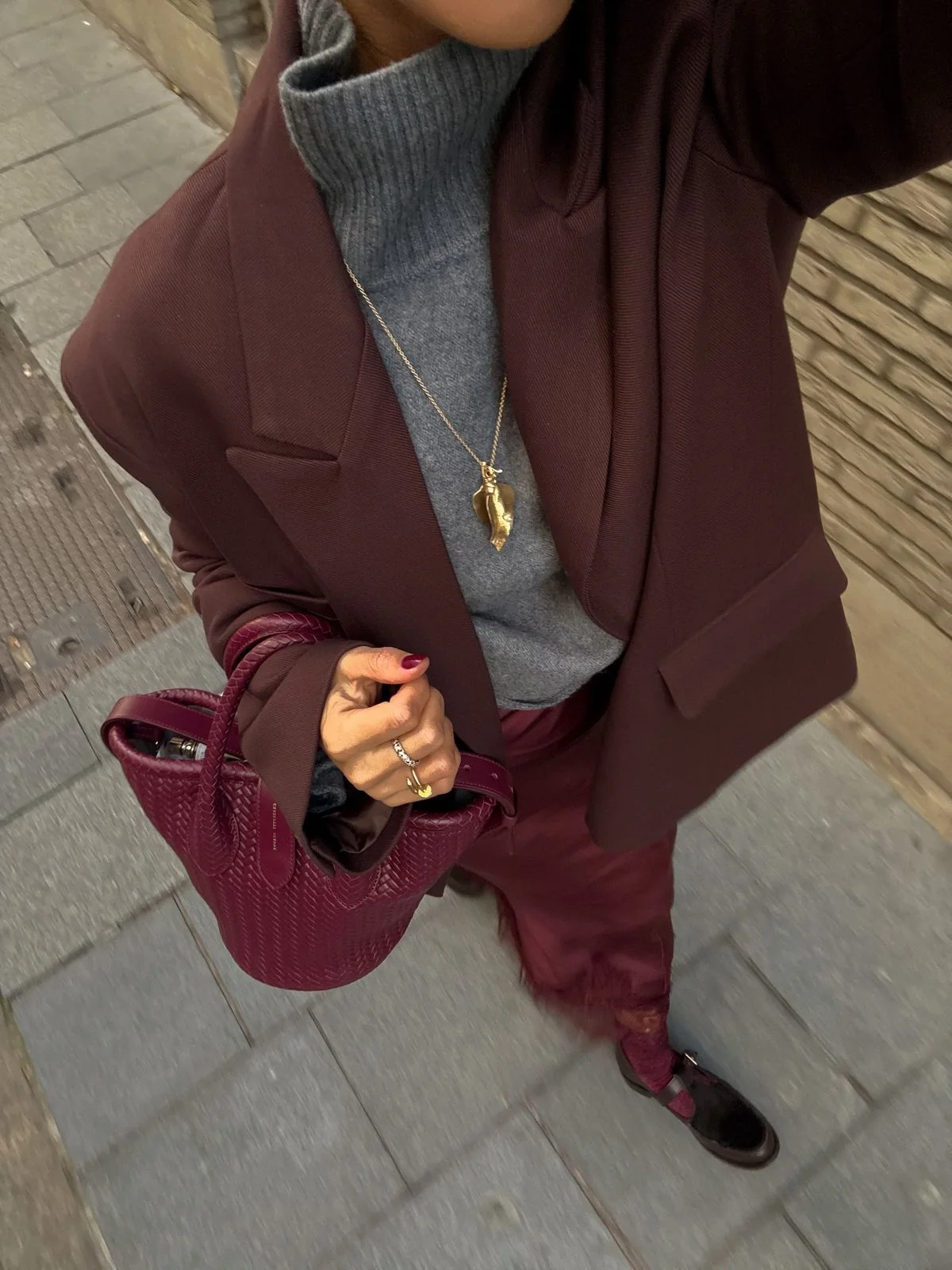
Texture is essential. Pairing a chunky burgundy sweater with smooth leather trousers creates contrast even when the colors are similar. A tailored wool coat over a satin skirt offers another way to introduce movement and dimension. Matte fabrics absorb light, while leather and satin reflect it, creating visual separation between layers.
Silhouette also deserves attention. An oversized coat works best when balanced by a more defined inner layer, while wide-leg trousers can be paired with a fitted knit to maintain proportion. When every item has the same volume, a monochromatic outfit can lose its structure.
Accessories do not have to match perfectly. Dark brown or black shoes can ground a burgundy outfit, while a muted wine-colored bag can extend the tonal effect without looking overly coordinated.